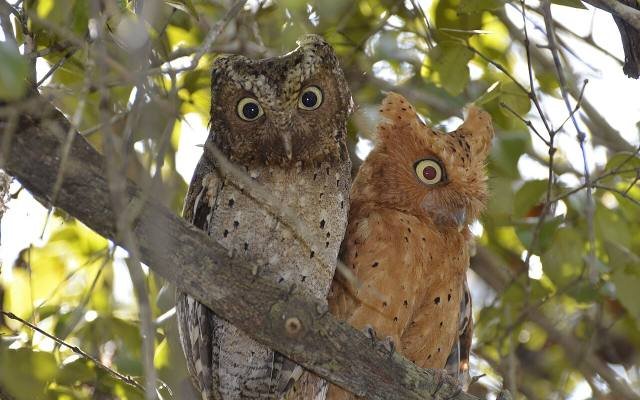
 Guided walk
Season: Year-round; best early in the morning
Arabuko-Sokoke Forest birdwatching walk
- Look for rare birds such as the Sokoke scops owl and Clarke’s weaver
- Elephant shrews, butterflies and forest trails
Wildlife
Most visitors to Watamu come for the sea, and they often have no idea that one of Africa’s most important forests starts just across the main road. Arabuko-Sokoke covers about 420 square kilometres, and it is home to rare birds and animals found in very few other places. You do not need to be an expert to enjoy it, but a little planning will help.
This is a forest, not a safari park. You may hear far more than you see, and that is part of the appeal. Keep your expectations realistic, and enjoy the quiet.
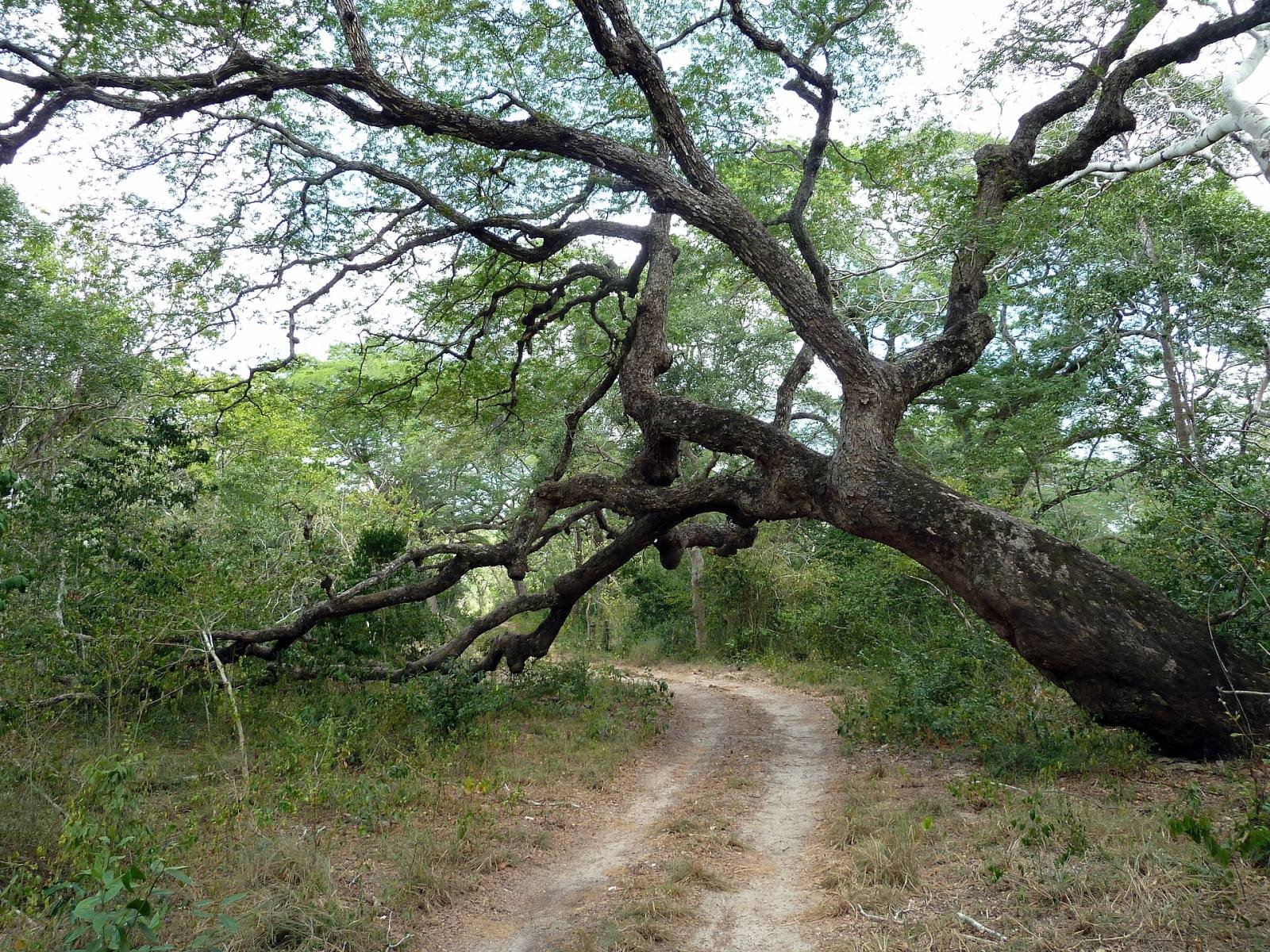
Part of the fun is how the forest changes as you move through it. There are stretches of mixed forest, dense thicket and tall, open Brachystegia woodland, and each has its own wildlife. A guide can explain which birds to look for in each.
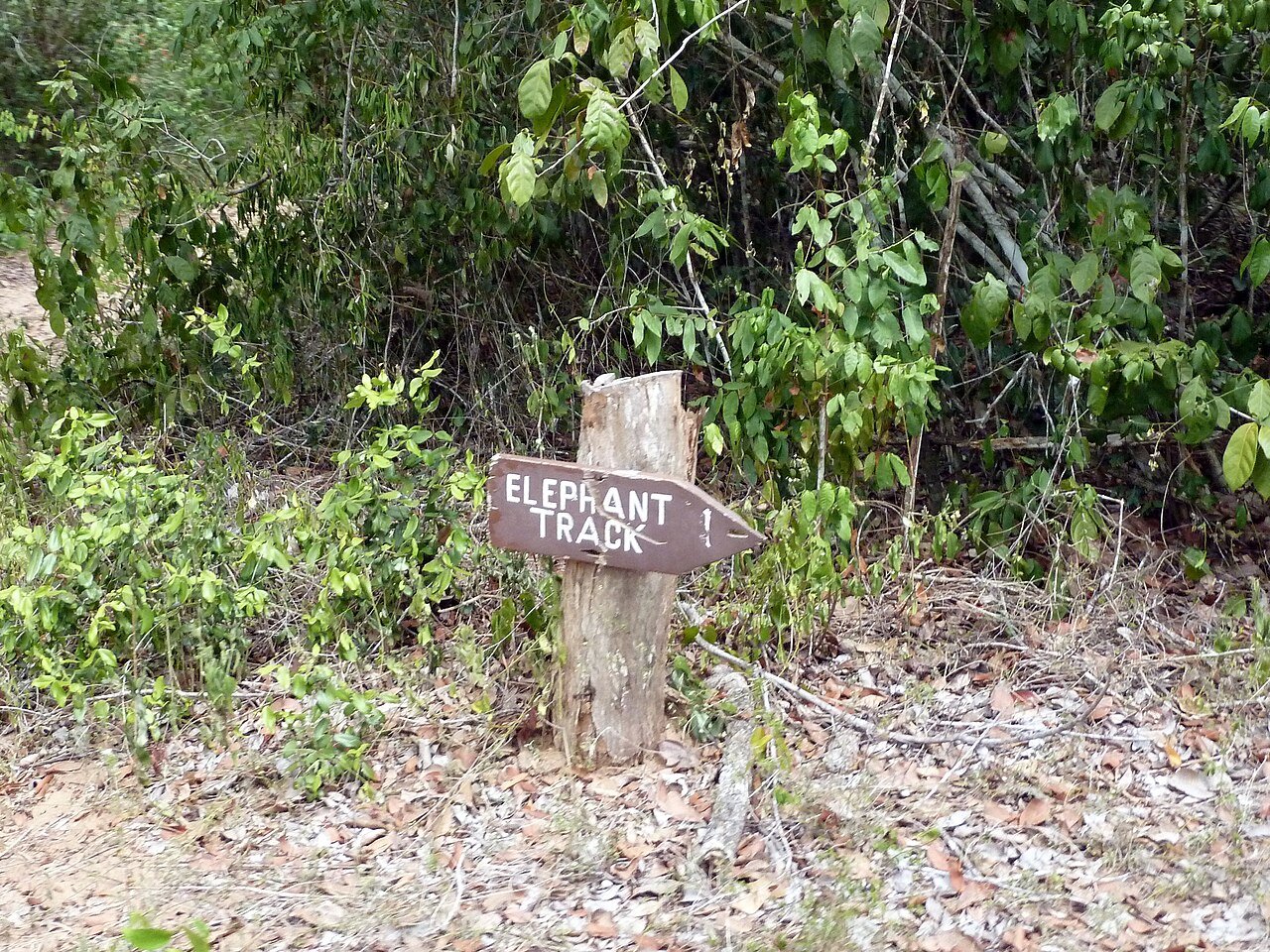
A guide makes a huge difference. The rare species are hard to find without someone who knows their calls and favourite spots, and tracks in the forest can be confusing. If you want to see the Sokoke scops owl, ask a guide in advance, as they often know where one is roosting. Your fee also supports the local people who work to protect the forest.
Go early in the morning, when birds are most active and it is cooler.
The Gede Ruins are a few minutes away, and they make an easy pairing. Read our guide to the ruins for more. End the day with a sunset on Mida Creek, as in our one-day Watamu itinerary. Choosing your dates? See the best time to visit.
Book ahead
Guided walk
Season: Year-round; best early in the morning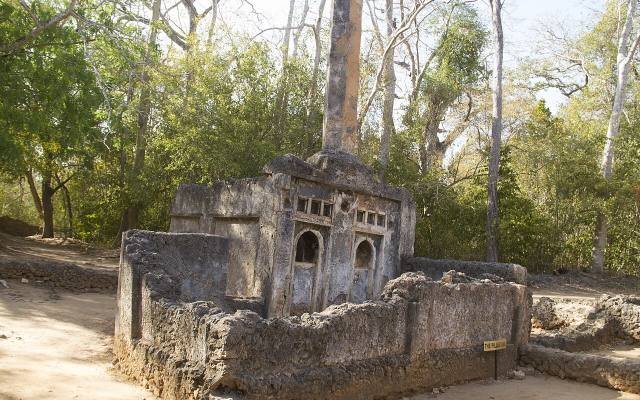 Day tour
Season: Year-round
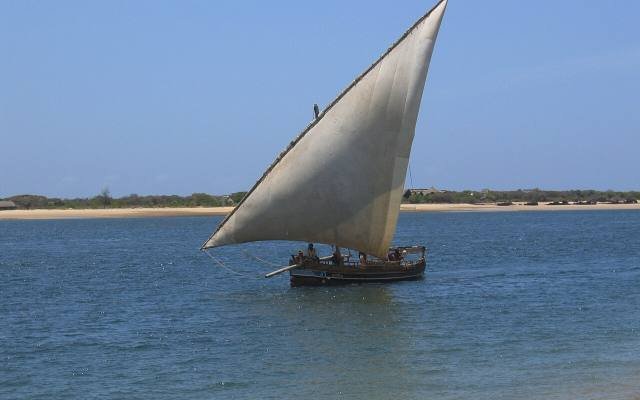 Boat trip
Season: Year-round, depending on the tide
Keep reading
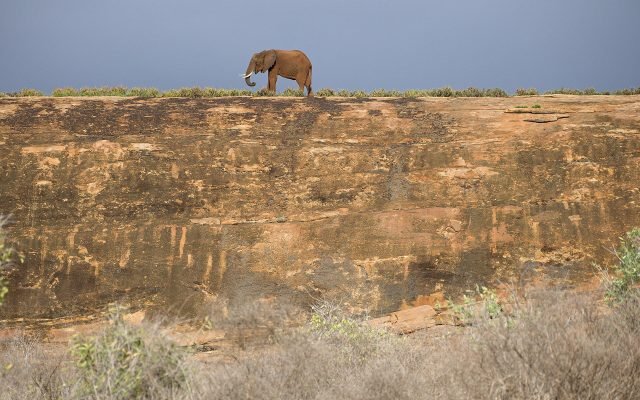 Wildlife
Tsavo East, home of the red elephants, is the closest big safari park to the Kilifi coast. Here is how a trip from Watamu or Malindi works, and whether to go for a day or stay a night.
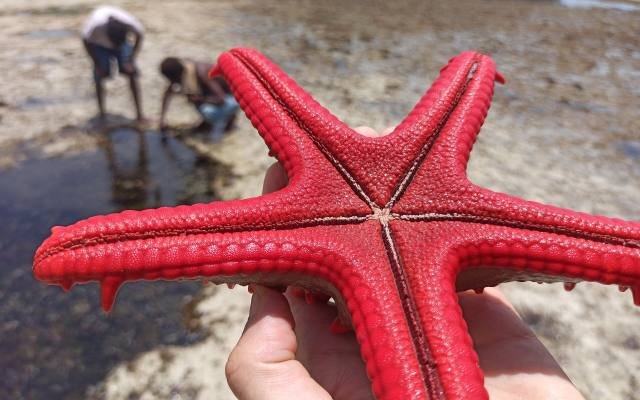 Itineraries
A perfect day in Watamu: snorkelling in the marine park at low tide, lunch by the beach, the Gede Ruins in the afternoon and a dhow cruise on Mida Creek at sunset.
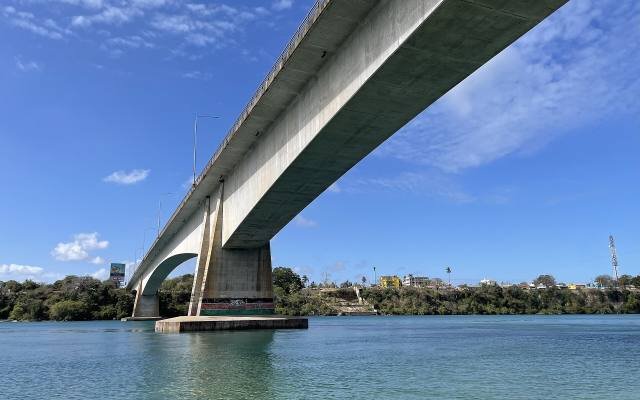 Itineraries
A three-day plan for Kenya’s north coast: Watamu’s marine park and Mida Creek, the Gede Ruins and the Arabuko-Sokoke Forest, then Malindi and a sunset at Marafa.