 Boat trip
Season: Year-round; calmest from December to March
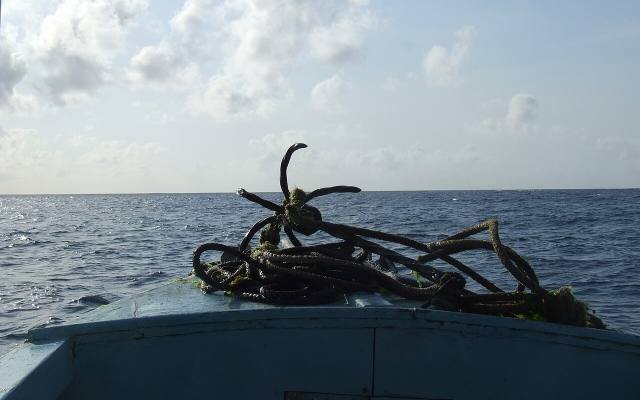
Watamu Marine Park snorkelling trip
- Snorkel the coral gardens among parrotfish and angelfish
- Glass-bottom boat views for non-swimmers
Your independent guide to Kilifi County
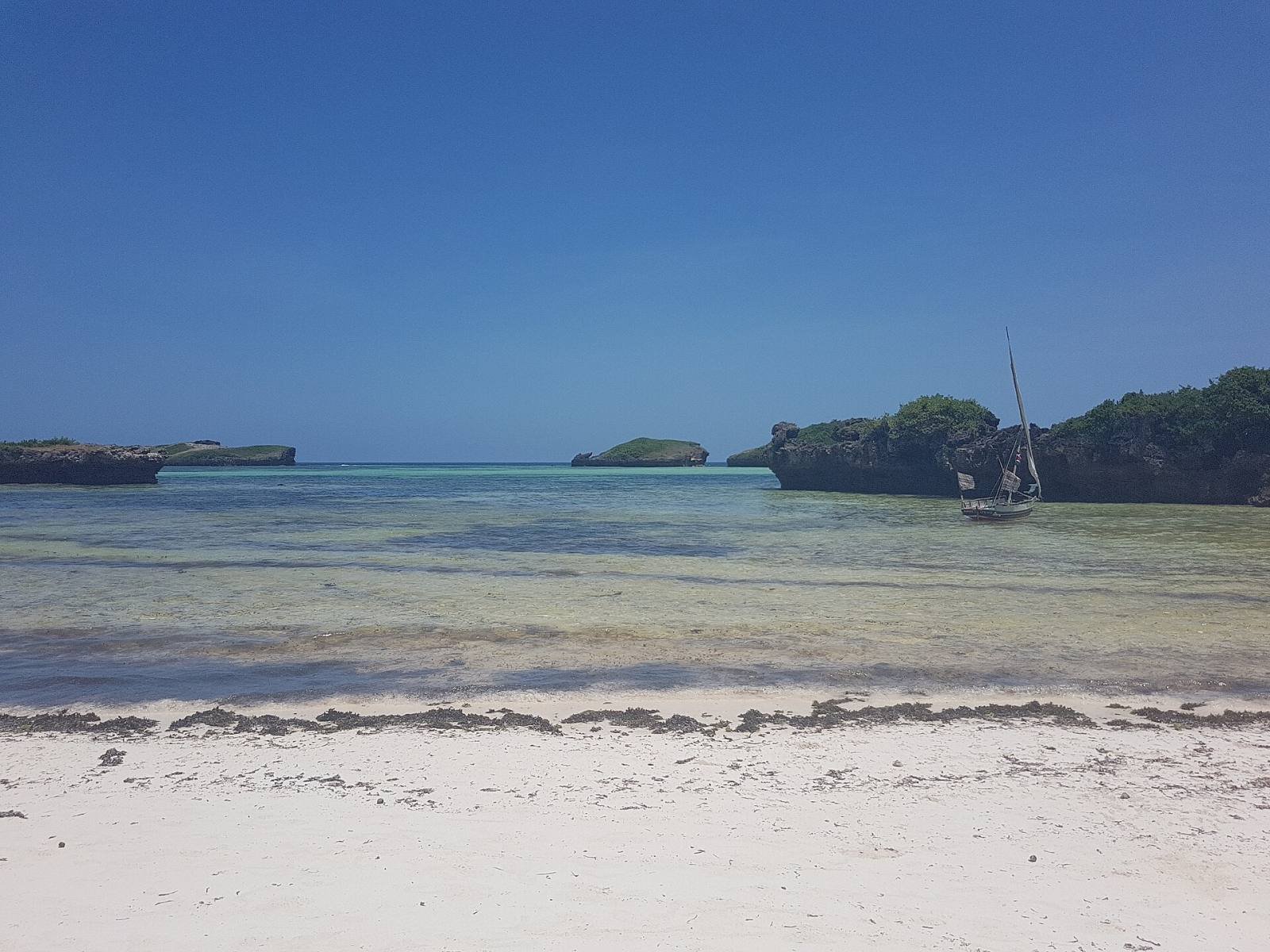
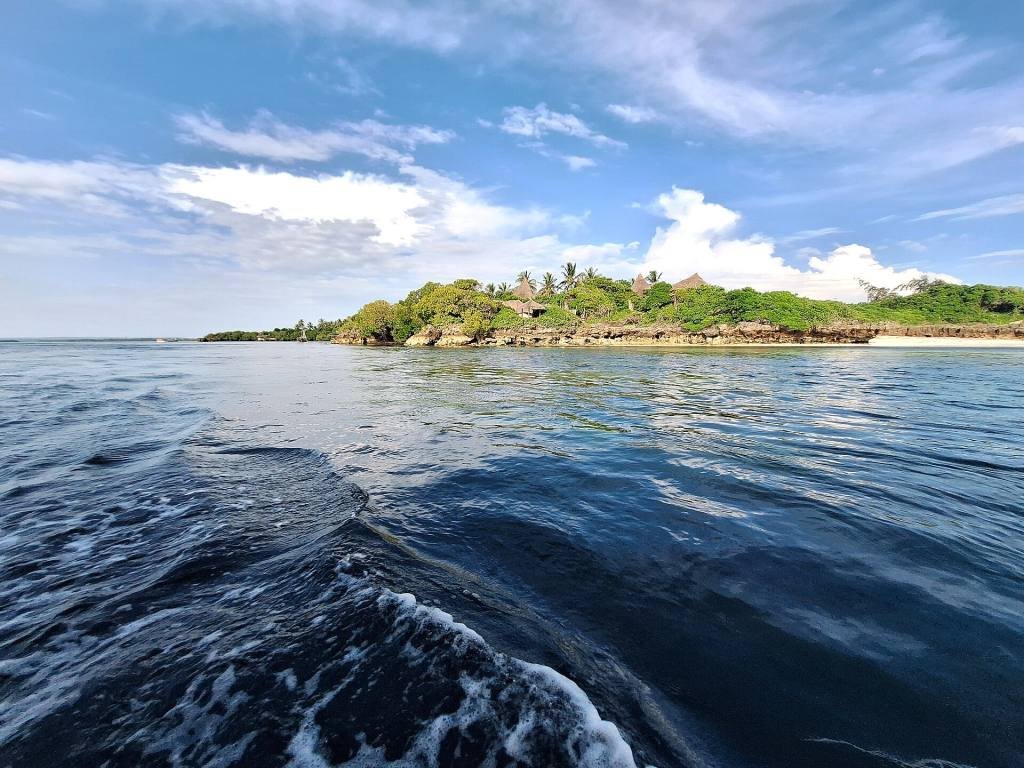
Between Mombasa and Malindi, Kenya’s north coast is a place of white beaches and coral gardens, mangrove creeks full of birds, a rare coastal forest and the ruins of Swahili towns. Honest advice, hand-picked tours and everything you need to plan your trip to Watamu, Malindi and Kilifi.
Why Kilifi County?
The north coast pairs some of Kenya’s best beaches with reefs, forest, history and wildlife, all within an hour of each other.
Snorkel among parrotfish in the morning, walk through the streets of a lost Swahili town after lunch and sail through the mangroves at sunset. Then add a day in Malindi, a sunset over the Marafa canyon or a safari inland to Tsavo East.
We help you choose the right tours, find a good place to stay and time your days around the tides.
Traveller favourites
Top-rated experiences booked through Viator, from snorkelling in Watamu and dhow cruises on Mida Creek to the Gede Ruins, Marafa and Tsavo East. Tap any tour for live prices and availability.
Boat trip
Season: Year-round; calmest from December to March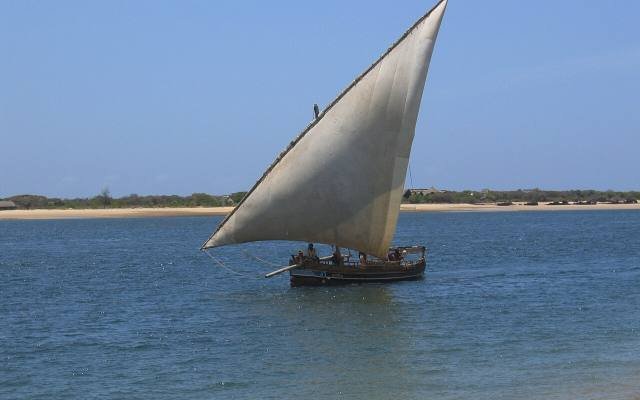 Boat trip
Season: Year-round, depending on the tide
 Day tour
Season: Year-round
 Boat trip
Season: Year-round; calmest from December to March
 Day trip
Season: Year-round; dry seasons are best
 Guided walk
Season: Year-round; best early in the morning
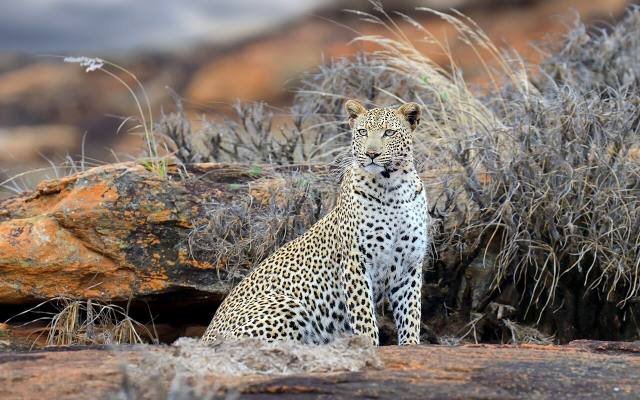 Safari
Season: Year-round; best in the dry seasons
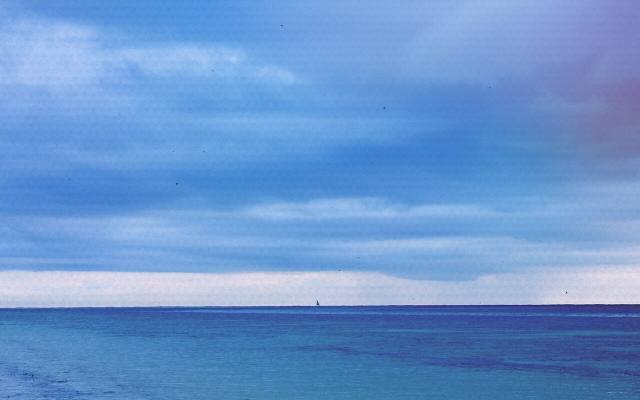 Fishing trip
Season: Best from about November to March
Where to go
From the coral gardens of Watamu and the mangroves of Mida Creek to the Gede Ruins, Malindi and Marafa.
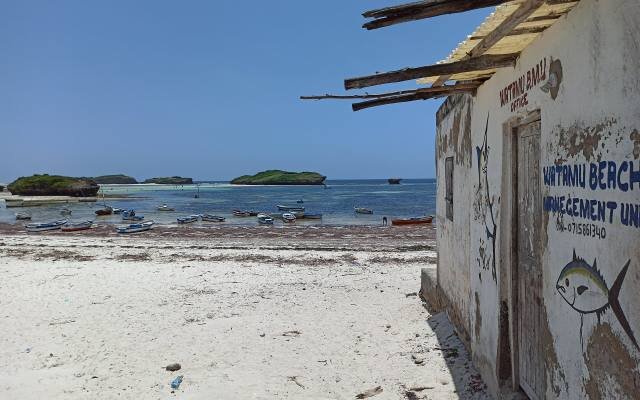 Marine park
Coral gardens and turtles
A protected stretch of reef, lagoon and coral islets off Watamu, with coral gardens for snorkelling, glass-bottom boats and sea turtles, run by Kenya Wildlife Service.
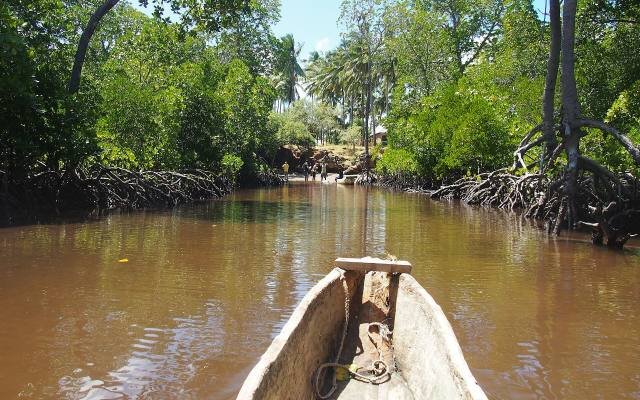 Mangroves
Birds, mangroves and sunsets
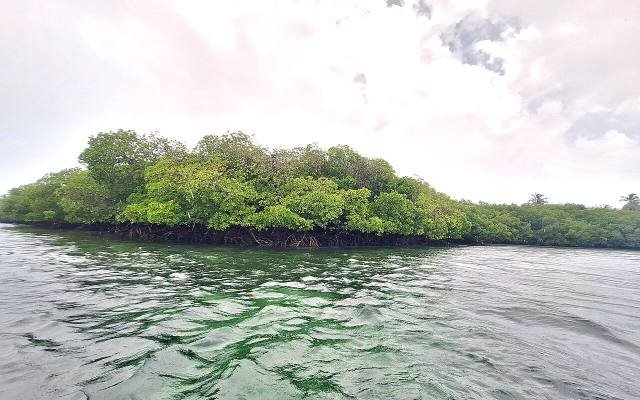
A wide tidal inlet behind Watamu, fringed with mangrove forest, where wading birds feed on the sandbanks at low tide and dhows sail at sunset.
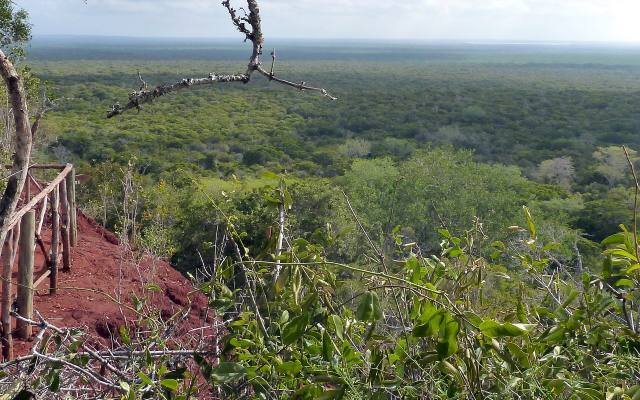 Forest
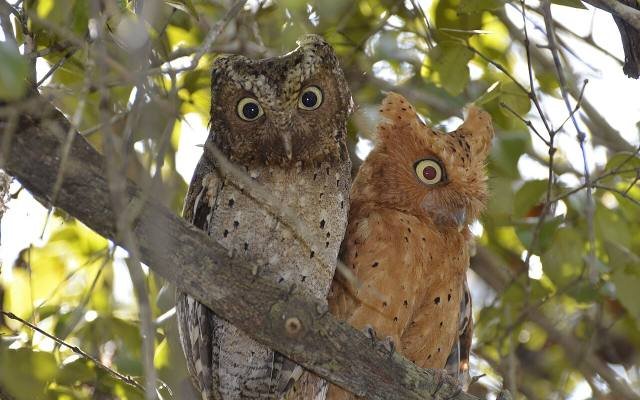
Rare birds and elephant shrews
The largest surviving block of coastal forest in East Africa, home to rare birds, elephant shrews and forest elephants, with trails and a visitor centre near Gede.
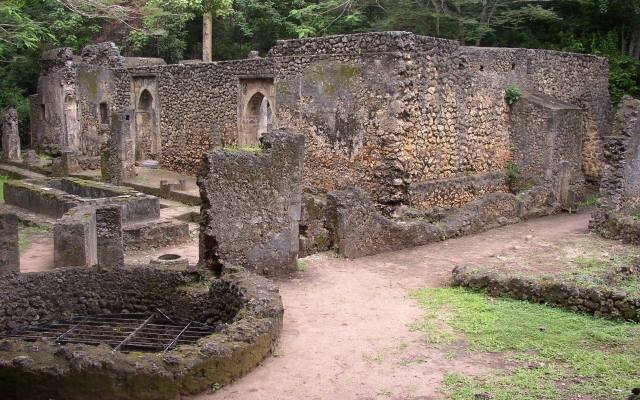 Ruins
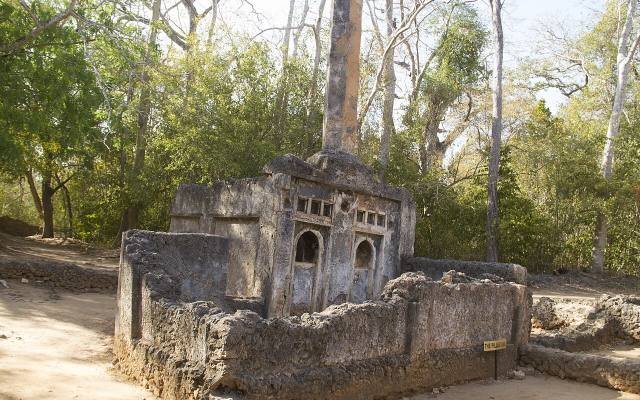
A lost Swahili town
The ruins of a walled Swahili town in the forest near Watamu, with a palace, mosques, houses and pillar tombs, abandoned in the early 17th century.
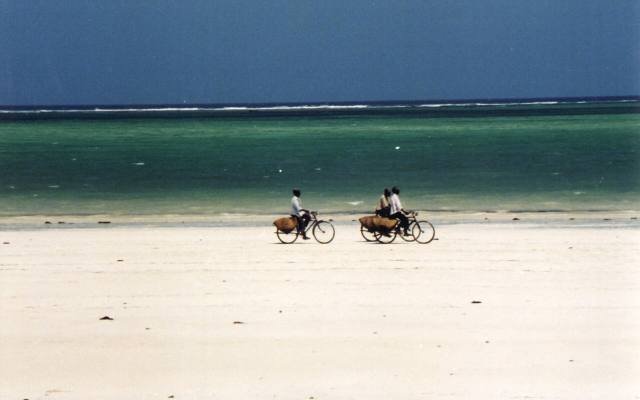 Town
Beaches and Swahili history
A historic Swahili town and beach resort, where Vasco da Gama landed in 1498, with a long beach, a marine park, an old town and a lively mix of cultures.
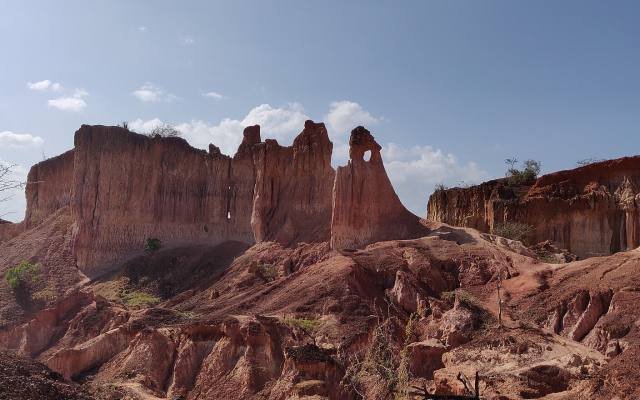 Canyon
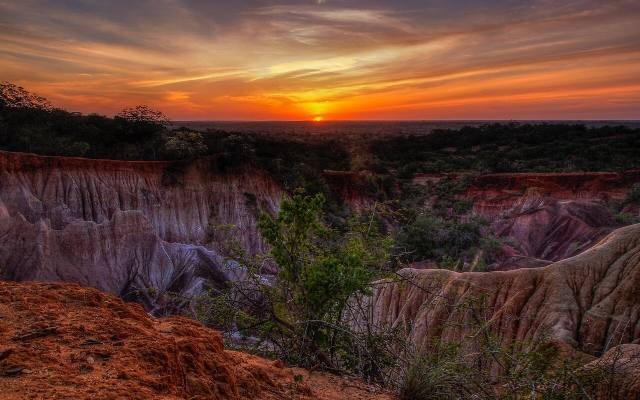
A red sandstone gorge
A maze of eroded sandstone gullies and pinnacles in red, orange and cream, about an hour inland from Malindi, best seen at sunset with a local guide.
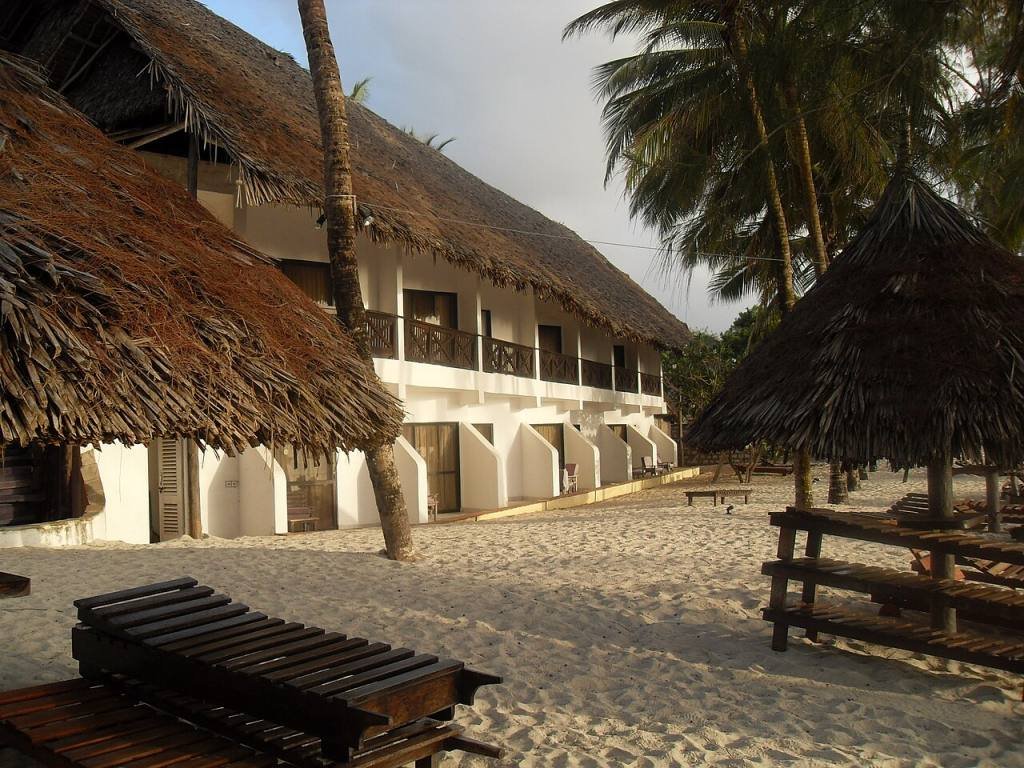
Where to stay
Where you stay shapes your trip. We compare four areas, with the trade-offs of each and direct hotel searches.
Stories & guides
Itineraries, reefs, ruins and practical tips for your trip to the north coast.
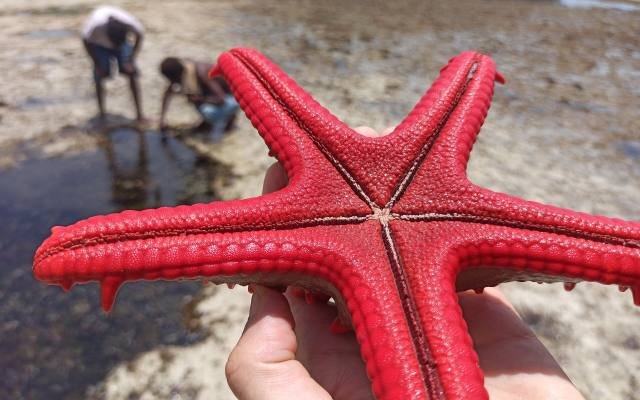 Itineraries
A perfect day in Watamu: snorkelling in the marine park at low tide, lunch by the beach, the Gede Ruins in the afternoon and a dhow cruise on Mida Creek at sunset.
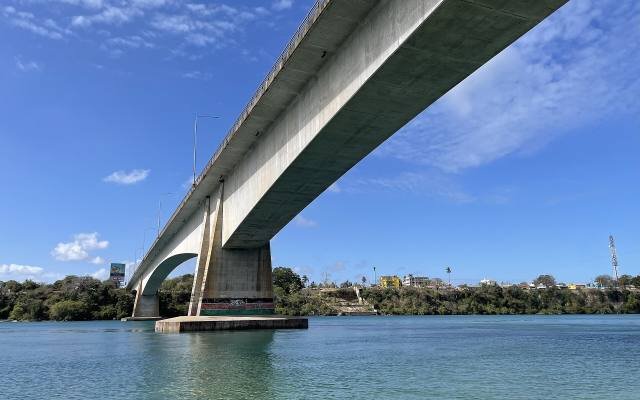 Itineraries
A three-day plan for Kenya’s north coast: Watamu’s marine park and Mida Creek, the Gede Ruins and the Arabuko-Sokoke Forest, then Malindi and a sunset at Marafa.
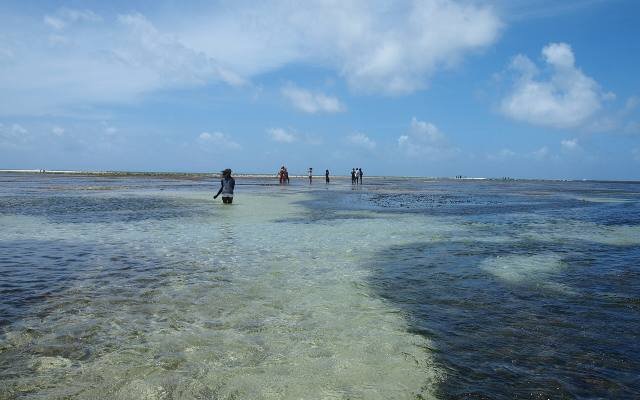 Outdoors
How to snorkel the coral gardens of Watamu and Malindi marine national parks: when to go, how the tides work, what you will see, park fees and how to protect the reef.
Plan like a local
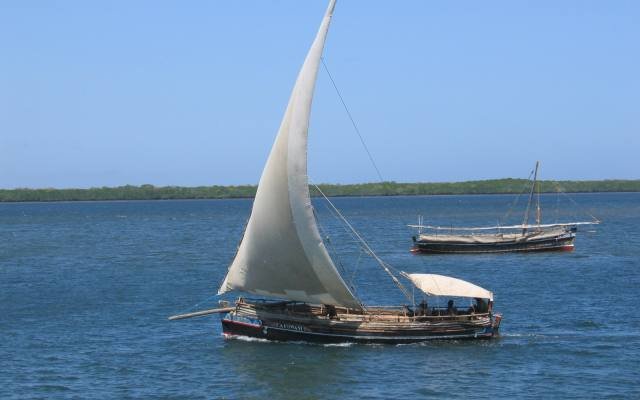
Our pick of tours and day trips in Kilifi County: snorkelling, dhow cruises, the Gede Ruins, Marafa, Malindi and safaris to Tsavo East.

Flights to Malindi and Mombasa, the train from Nairobi, the coast road and getting around by tuk-tuk, matatu and taxi, explained.
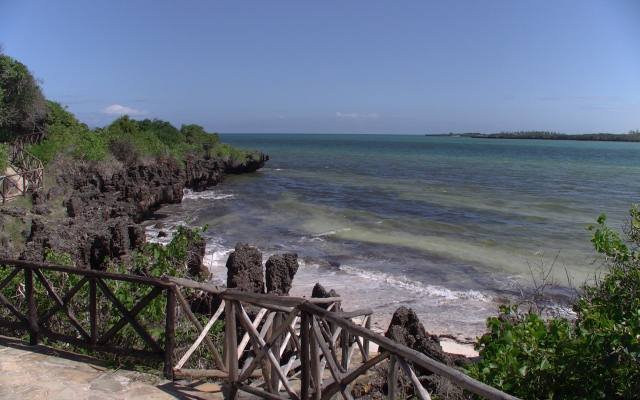
Seasons, tides, money, health, safety and customs: what to know before you visit Kilifi County.
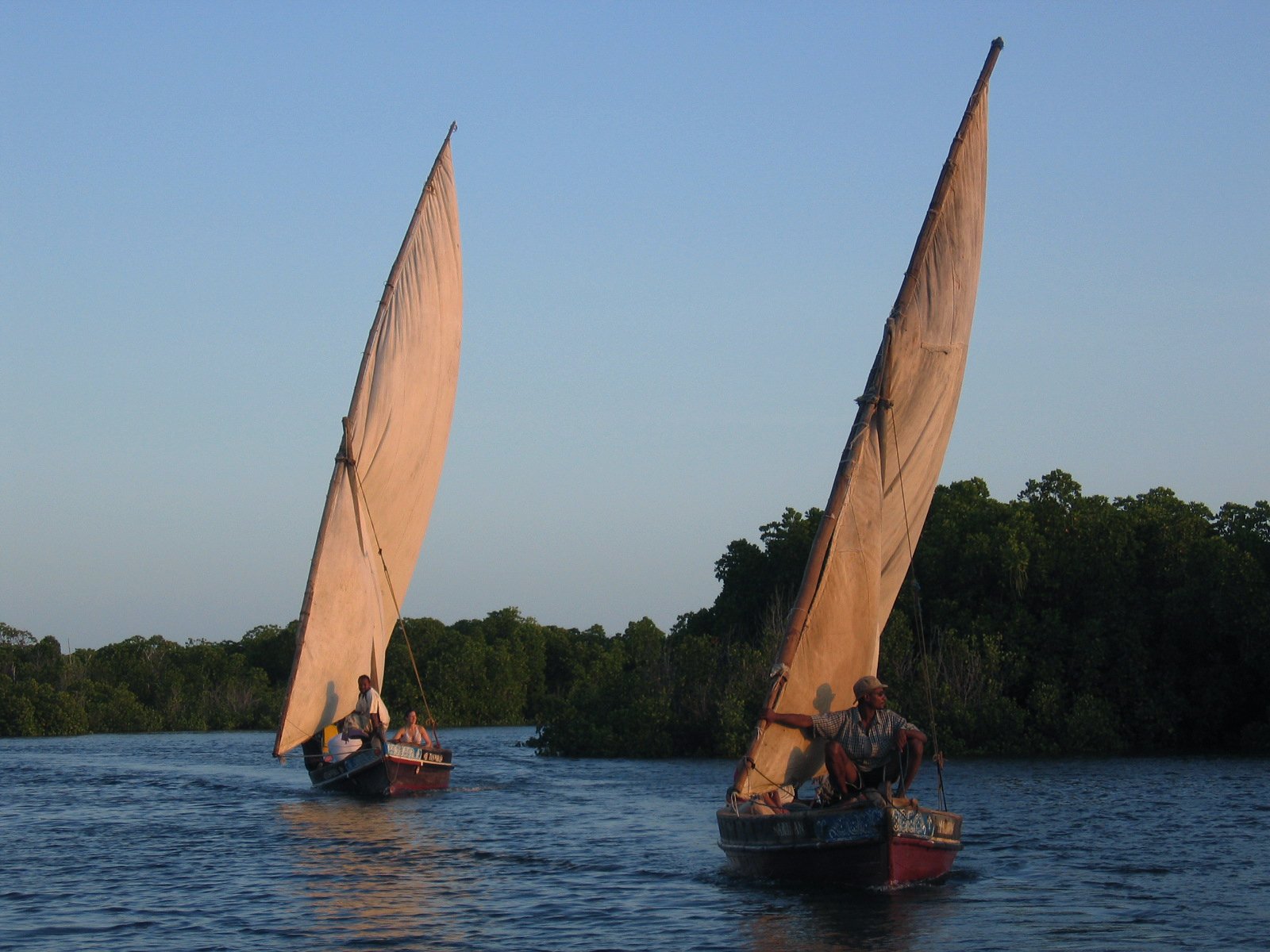
Plan your coast trip
Snorkel the coral gardens of Watamu, sail Mida Creek at sunset, walk through the ruined Swahili town of Gede or watch the sun go down over the Marafa canyon. Compare tours and book in a couple of taps.
Good to know
No. KilifiCounty.com is an independent travel guide. We are not the County Government of Kilifi, Kenya Wildlife Service, a tourism board or a tour operator. When you book a tour through our links, you book with our partner Viator and the tour operator, who handle your booking, changes and refunds.
Kilifi County lies on Kenya’s Indian Ocean coast, north of Mombasa. It runs from Mtwapa in the south through Kilifi town and Watamu to Malindi and beyond. See getting there.
For the beaches and coral reefs of Watamu and Malindi, the mangroves of Mida Creek, the Arabuko-Sokoke Forest, the Swahili ruins of Gede and the red canyon of Marafa. See Watamu Marine National Park.
Watamu for the best beaches, snorkelling and a quieter village feel; Malindi for more choice, a real town and the airport. They are only about 30 minutes apart. See where to stay.
December to March brings hot, sunny weather and the calmest, clearest sea. July to October is also dry, a little cooler and windier. The long rains fall from about April to June. See the best time to visit.
Most visits are trouble-free. Take normal care with valuables, use registered taxis or tuk-tuks after dark, and do not walk on empty beaches at night. Check your government’s travel advice before you go. See our travel guide.