 Guided walk
Season: Year-round; best early in the morning
Arabuko-Sokoke Forest birdwatching walk
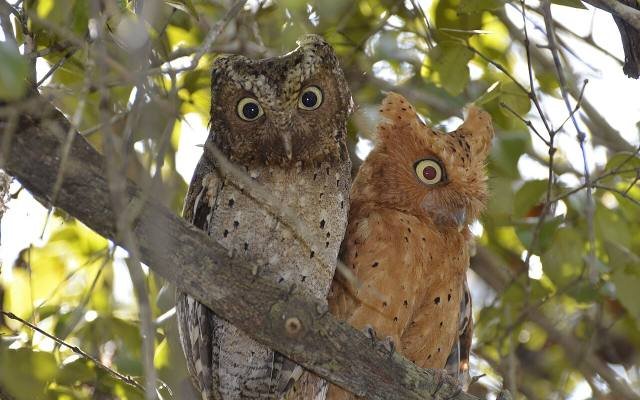
- Look for rare birds such as the Sokoke scops owl and Clarke’s weaver
- Elephant shrews, butterflies and forest trails
Forest
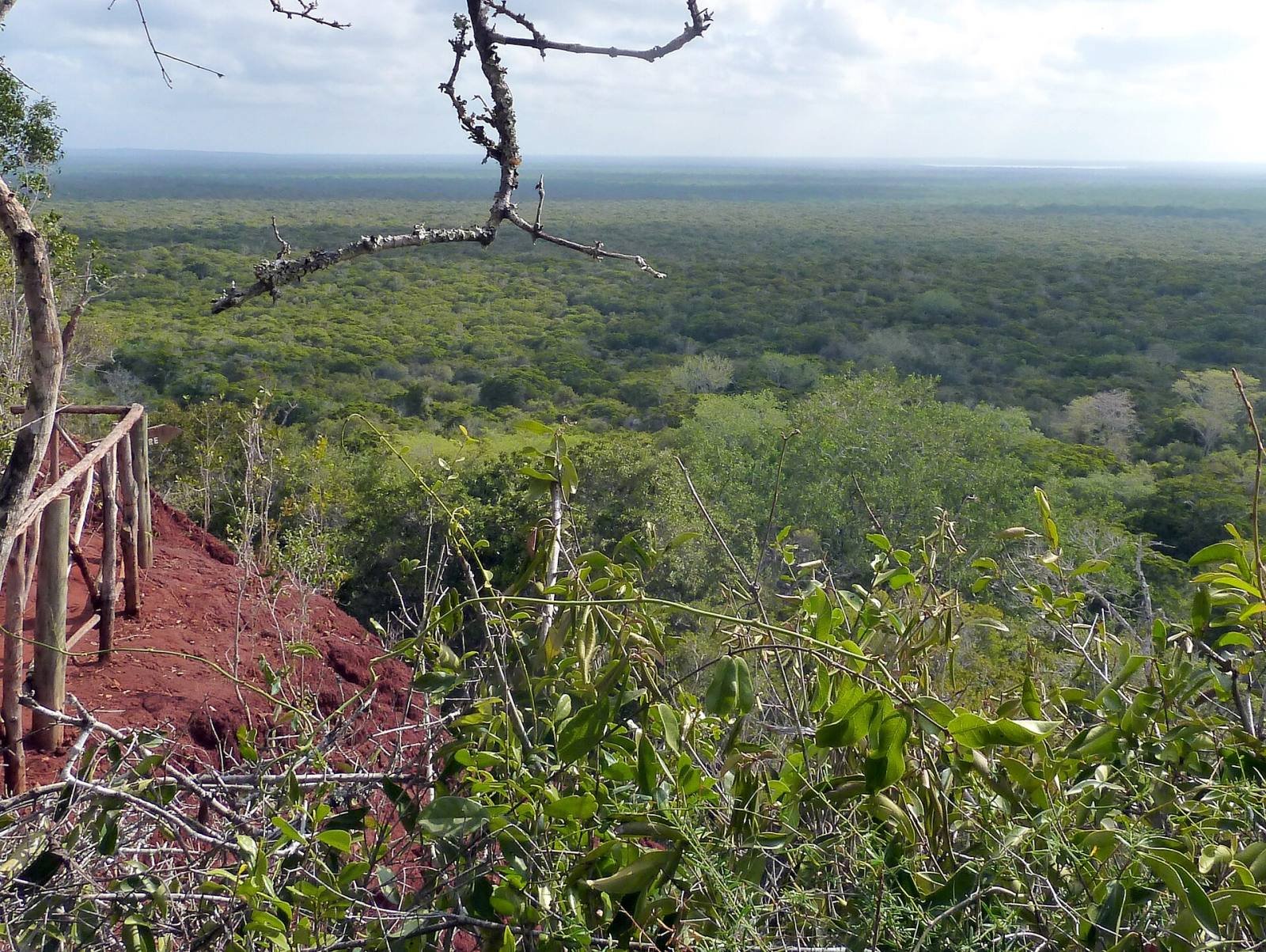
The Arabuko-Sokoke Forest stretches inland from Watamu and Gede, the largest surviving fragment of the coastal forest that once ran along the East African shore. It shelters birds, mammals and butterflies found almost nowhere else, and has trails, viewpoints and a visitor centre on the main road at Gede.
Arabuko-Sokoke covers about 420 square kilometres of mixed forest, dense thicket and tall Brachystegia woodland. For birdwatchers it is one of the most important forests in Africa, with species such as the tiny Sokoke scops owl, Clarke’s weaver, the Sokoke pipit and the Amani sunbird. Among the mammals are the golden-rumped elephant shrew, a long-nosed creature the size of a rabbit, Aders’ duiker and a small population of forest elephants.
Book ahead
Guided walk
Season: Year-round; best early in the morning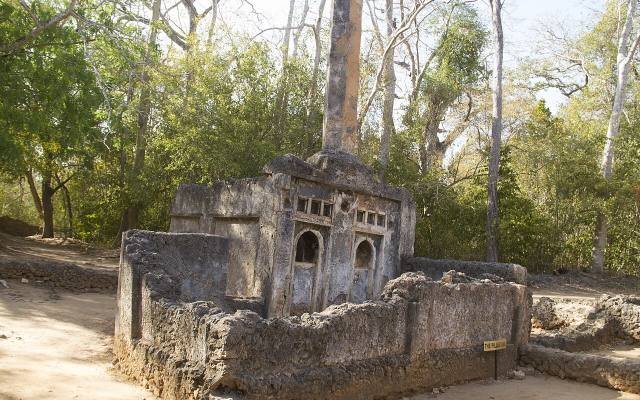 Day tour
Season: Year-round
 Boat trip
Season: Year-round, depending on the tide
Nearby
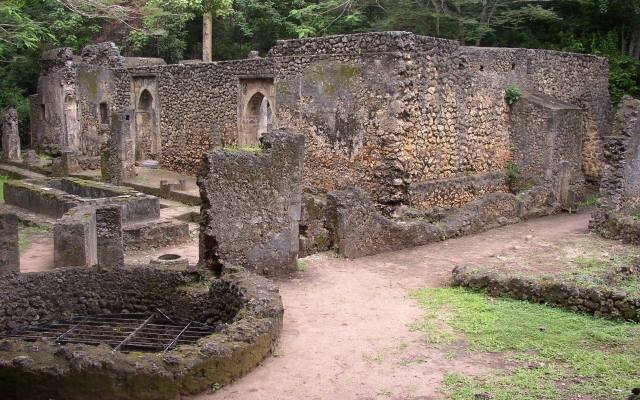 Ruins
A lost Swahili town
The ruins of a walled Swahili town in the forest near Watamu, with a palace, mosques, houses and pillar tombs, abandoned in the early 17th century.
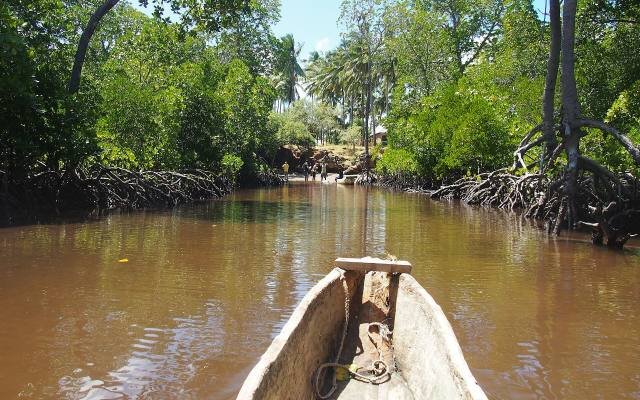 Mangroves
Birds, mangroves and sunsets
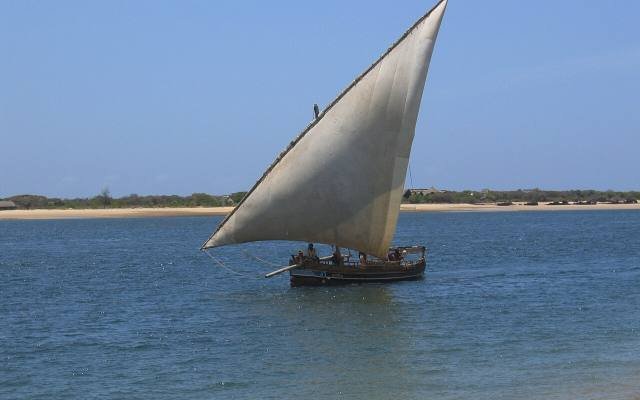
A wide tidal inlet behind Watamu, fringed with mangrove forest, where wading birds feed on the sandbanks at low tide and dhows sail at sunset.
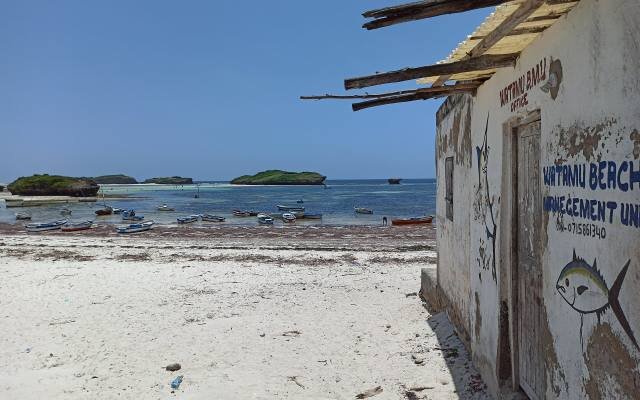 Marine park
Coral gardens and turtles
A protected stretch of reef, lagoon and coral islets off Watamu, with coral gardens for snorkelling, glass-bottom boats and sea turtles, run by Kenya Wildlife Service.