 Day trip
Season: Year-round; dry seasons are best
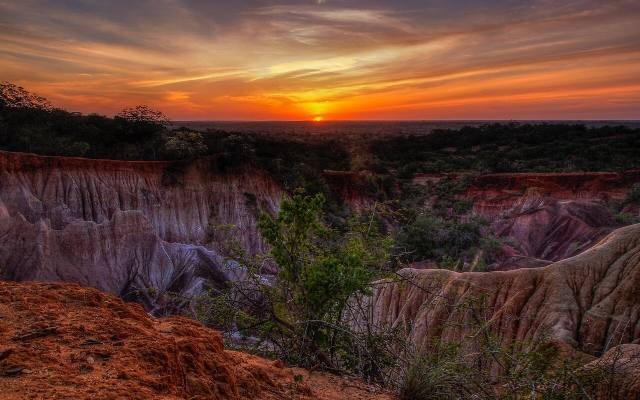
Marafa Hell’s Kitchen sunset tour
- A walk through red, pink and cream sandstone gullies
- Sunset over the canyon with a local guide
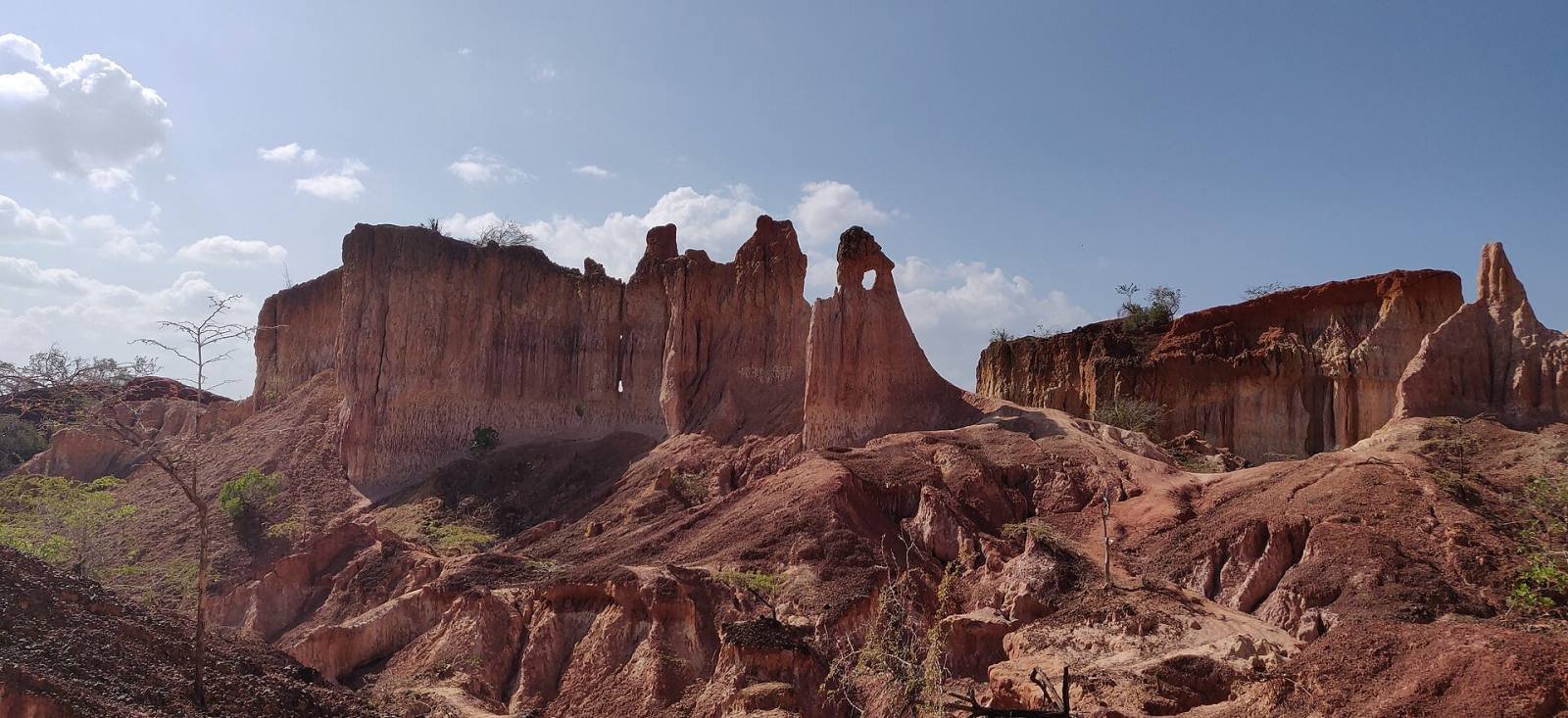
Canyon
The Marafa Depression, better known as Hell’s Kitchen, is a canyon of eroded sandstone about an hour inland from Malindi. Wind and rain have carved its walls into gullies, ridges and pinnacles in shades of red, orange, pink and cream, which glow at sunset.
Marafa is one of the most surprising landscapes on the Kenyan coast: a maze of soft sandstone in many colours, cut deep by erosion, in the middle of farmland and bush. Local Giriama legend tells of a rich family whose land sank into the ground as a punishment, and the name Hell’s Kitchen comes from the heat that builds up in the gorge during the day. The site is managed by the local community, and visiting with a community guide supports the village.
The road from Malindi heads inland past the Sabaki river; the last part is rough in places. Most people go on a tour or hire a driver from Malindi or Watamu.
Book ahead
Day trip
Season: Year-round; dry seasons are best City tour
Season: Year-round
 Day tour
Season: Year-round
Nearby
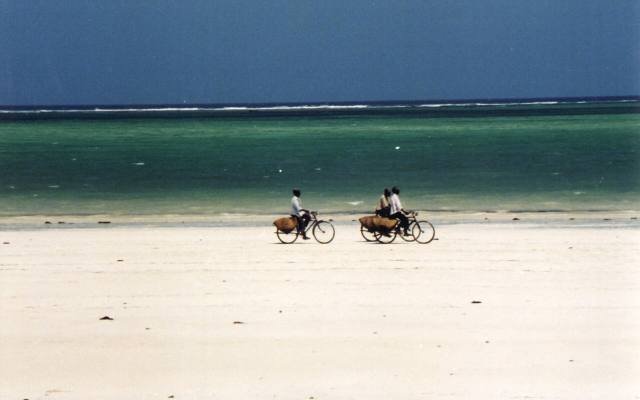 Town
Beaches and Swahili history
A historic Swahili town and beach resort, where Vasco da Gama landed in 1498, with a long beach, a marine park, an old town and a lively mix of cultures.
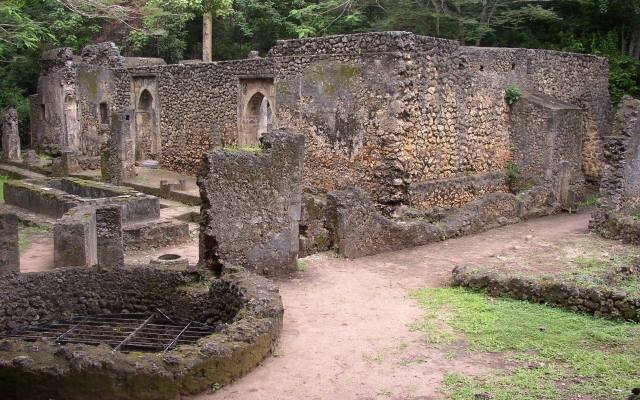 Ruins
A lost Swahili town
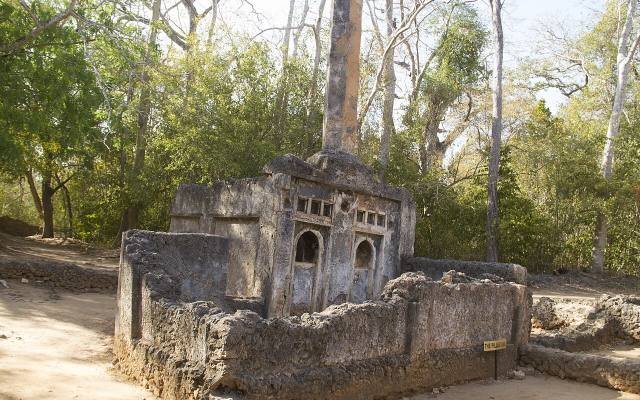
The ruins of a walled Swahili town in the forest near Watamu, with a palace, mosques, houses and pillar tombs, abandoned in the early 17th century.
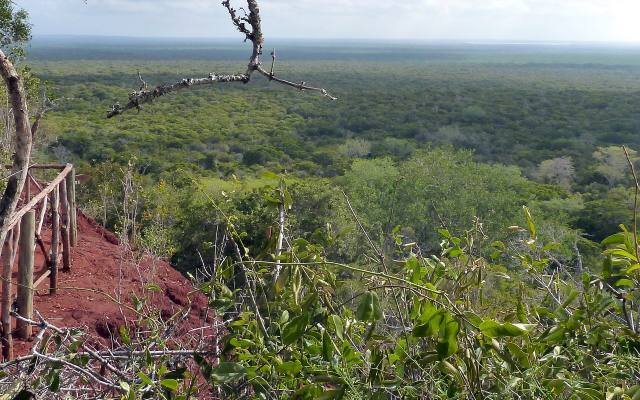 Forest
Rare birds and elephant shrews
The largest surviving block of coastal forest in East Africa, home to rare birds, elephant shrews and forest elephants, with trails and a visitor centre near Gede.