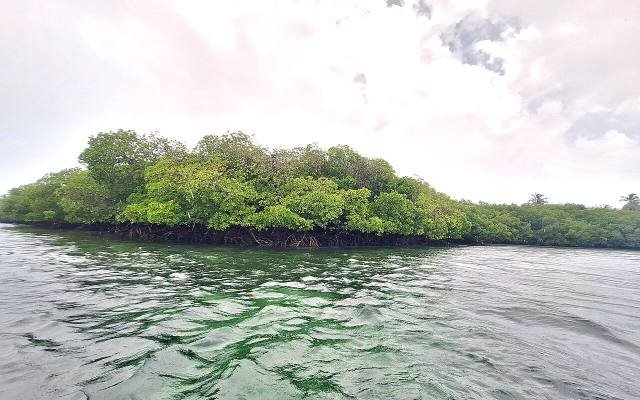
 Boat trip
Season: Year-round; calmest from December to March
Watamu Marine Park snorkelling trip
- Snorkel the coral gardens among parrotfish and angelfish
- Glass-bottom boat views for non-swimmers

Travel guide
When to go, the monsoon seasons and the rains, tides, what to pack, money, health, safety and local customs: what to know before your first visit to Kenya’s north coast.
| Location | Indian Ocean coast of Kenya, north of Mombasa |
|---|---|
| Main towns | Kilifi (county capital), Malindi, Watamu, Mtwapa |
| Distances | Mombasa to Kilifi about 60 km, to Watamu about 105 km, to Malindi about 120 km |
| Time zone | East Africa Time (UTC+3), no daylight saving |
| Currency | Kenyan shilling (KES) |
| Languages | Swahili and English; Giriama and other Mijikenda languages are spoken locally |
| Plugs | Type G (British three-pin), 240 volts |
| Emergency numbers | 999 or 112 |
The coast is warm all year, usually around 28 to 32 °C by day, and humid. The seasons follow the monsoon winds and the rains.
| Months | What to expect |
|---|---|
| December to March | Hot, sunny and dry, with the north-east monsoon. Calm, clear sea: the best time for snorkelling and fishing. Busy at Christmas. |
| April to June | The long rains, heaviest in May. Humid, quiet and cheaper; some small hotels close. |
| July to October | Dry and slightly cooler, with the south-east monsoon. Windier, with rougher sea and seaweed on some beaches. Whales pass offshore. |
| November | The short rains, usually in brief showers. |
The tide makes a big difference on this coast. At low tide the sea pulls back over the reef flats, exposing rock pools; at high tide the water reaches the beach. Snorkelling and reef walks are best around low tide, swimming from the beach around high tide. Ask your hotel for the day’s tide times.
Cards are accepted in hotels and larger restaurants, and mobile money (M-Pesa) is used almost everywhere in Kenya. Carry some shillings for tuk-tuks, markets and tips. Marine park and national park fees are paid electronically.
Book ahead
Boat trip
Season: Year-round; calmest from December to March Day tour
Season: Year-round
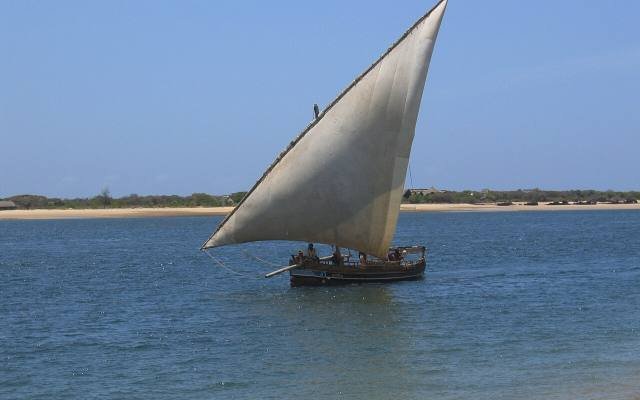 Boat trip
Season: Year-round, depending on the tide
Good to know
The Kenyan shilling (KES). Cards are accepted in hotels and larger restaurants, and mobile money (M-Pesa) is used almost everywhere. Marine park fees are paid electronically.
Most visitors need an Electronic Travel Authorisation (eTA), applied for online before travel. Requirements change, so check the official Kenyan government website before you go.
The coast is largely Muslim. Beachwear is fine at the hotel and on the beach, but cover your shoulders and knees in town, especially in old towns and near mosques.
No. Kenya bans plastic carrier bags, and single-use plastics are not allowed in national parks and marine parks. Pack a reusable bottle and bag.