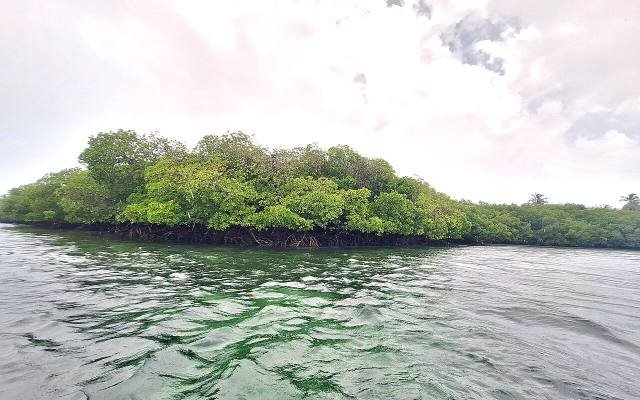
 Boat trip
Season: Year-round; calmest from December to March
Watamu Marine Park snorkelling trip
- Snorkel the coral gardens among parrotfish and angelfish
- Glass-bottom boat views for non-swimmers

Marine park
Watamu Marine National Park protects the reef, lagoon and coral islets off Watamu, one of the first marine parks in Africa. Inside the reef, the water is shallow, warm and calm at low tide, with coral gardens full of fish, and green and hawksbill turtles feed in the sea-grass beds.
Watamu’s reef runs parallel to the shore, enclosing a lagoon dotted with small coral islands, some undercut by the sea so that they look like mushrooms. At low tide the lagoon is calm and clear, and boats take visitors out to the coral gardens, where you can snorkel among parrotfish, angelfish, butterflyfish and moray eels. With Malindi, it was one of the first marine parks in Africa, and the area is part of a UNESCO biosphere reserve.
Snorkelling is best around low tide, when the water inside the reef is calm and clear. Boat operators plan trips around the tide table, so times change from day to day. From about December to March the sea is usually calmest; from June to September the south-east trade winds make it rougher and stir up seaweed.
Book ahead
Boat trip
Season: Year-round; calmest from December to March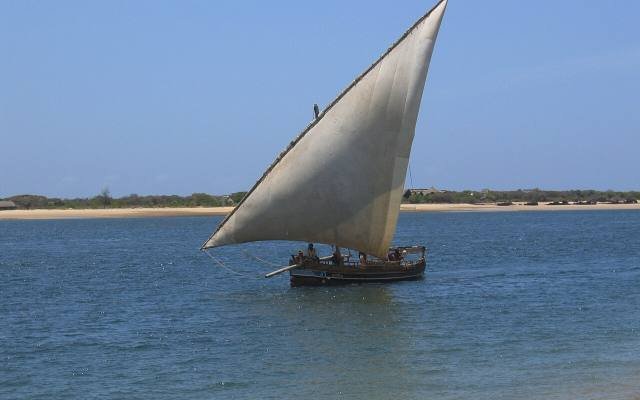 Boat trip
Season: Year-round, depending on the tide
 Fishing trip
Season: Best from about November to March
Nearby
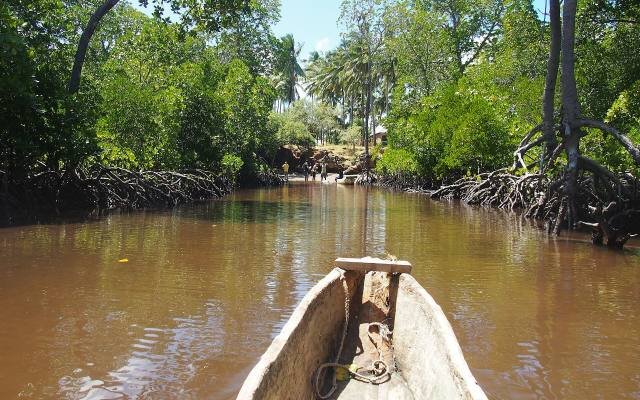 Mangroves
Birds, mangroves and sunsets
A wide tidal inlet behind Watamu, fringed with mangrove forest, where wading birds feed on the sandbanks at low tide and dhows sail at sunset.
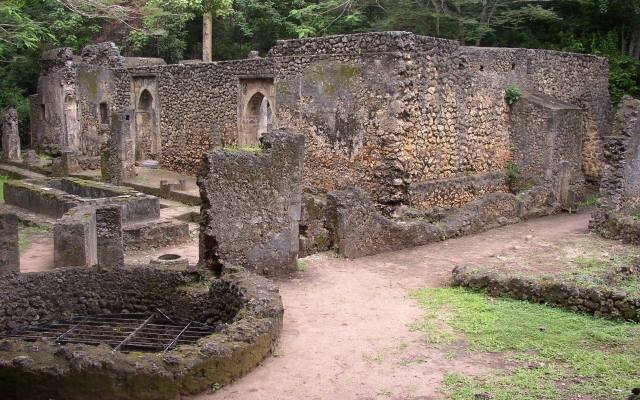 Ruins
A lost Swahili town
The ruins of a walled Swahili town in the forest near Watamu, with a palace, mosques, houses and pillar tombs, abandoned in the early 17th century.
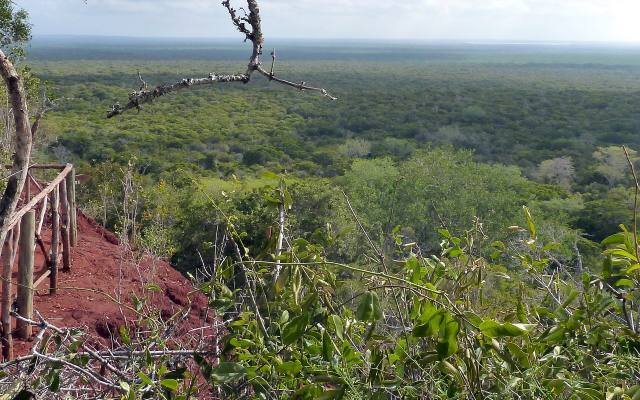 Forest
Rare birds and elephant shrews
The largest surviving block of coastal forest in East Africa, home to rare birds, elephant shrews and forest elephants, with trails and a visitor centre near Gede.