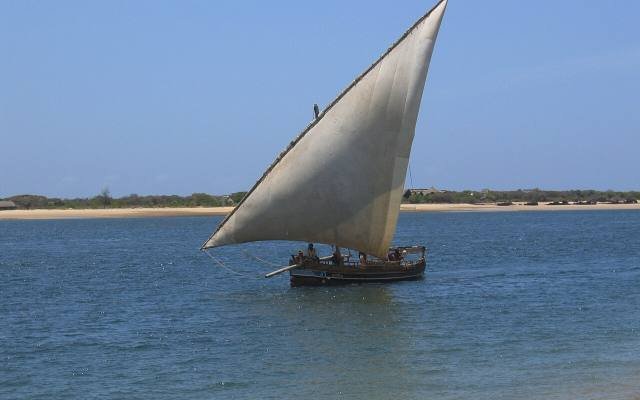
 Boat trip
Season: Year-round, depending on the tide
Mida Creek sunset dhow cruise
- Sail through the mangroves as the sun goes down
- Wading birds on the sandbanks at low tide

Mangroves
Mida Creek is a wide tidal inlet just south of Watamu, edged with mangrove forest and opening to the sea. At low tide its sandbanks and mud flats draw thousands of wading birds; at high tide it fills with water, and dhows and canoes glide through the mangrove channels.
Mida Creek is one of the most important places for birds on the East African coast. Migrant waders arrive from the northern hemisphere from about September to April, joining resident herons, egrets, storks and the striking crab plover. The mangrove forest around the creek is a nursery for fish and a buffer for the coast, and local communities run walks and boat trips that help protect it.
The creek changes completely with the tide. Low tide is best for birds on the sandbanks; boat trips need water, so they run around high tide. Ask your guide to plan around the tide table.
Book ahead
Boat trip
Season: Year-round, depending on the tide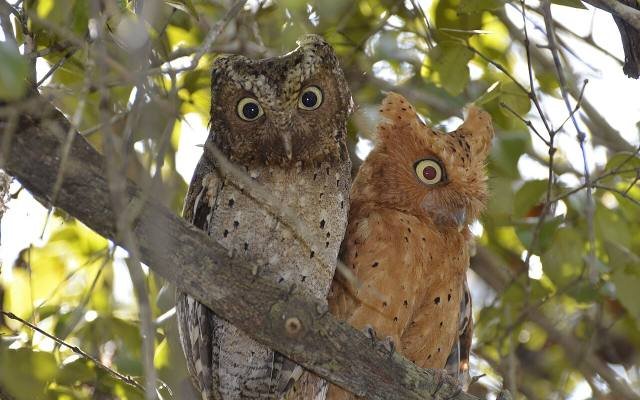 Guided walk
Season: Year-round; best early in the morning
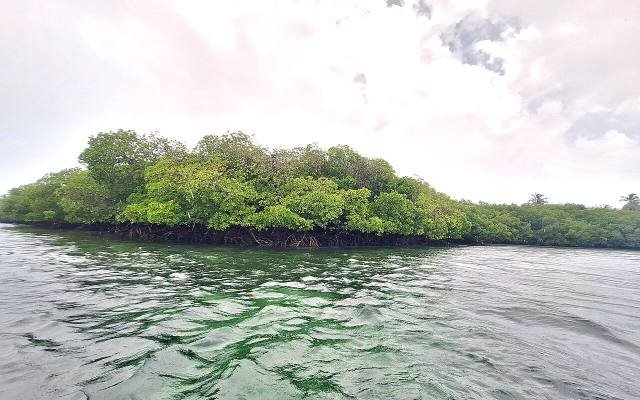 Boat trip
Season: Year-round; calmest from December to March
Nearby
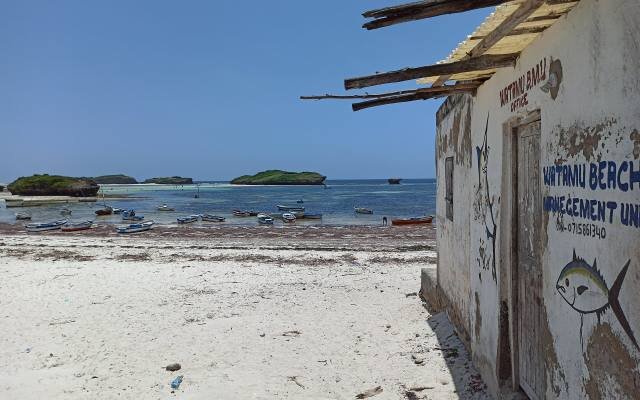 Marine park
Coral gardens and turtles
A protected stretch of reef, lagoon and coral islets off Watamu, with coral gardens for snorkelling, glass-bottom boats and sea turtles, run by Kenya Wildlife Service.
 Forest
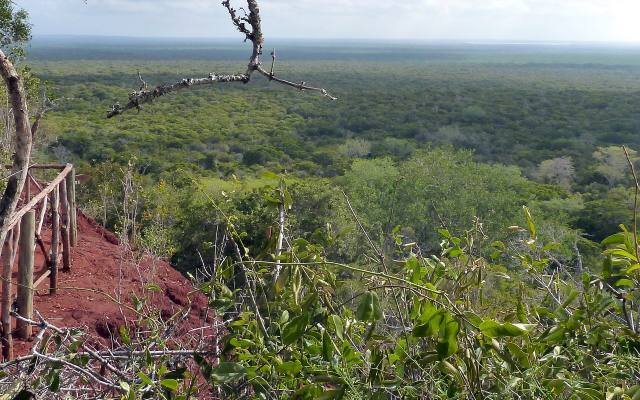
Rare birds and elephant shrews
The largest surviving block of coastal forest in East Africa, home to rare birds, elephant shrews and forest elephants, with trails and a visitor centre near Gede.
 Ruins
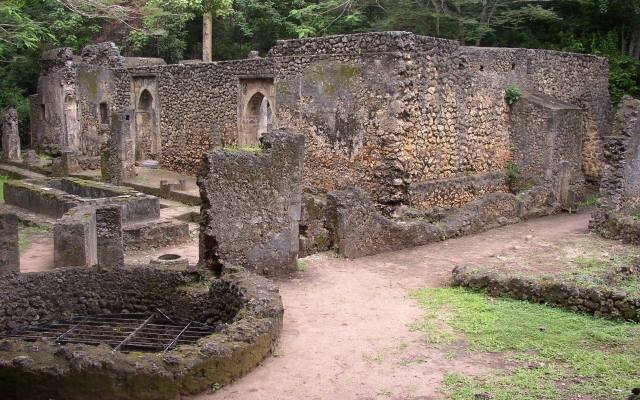
A lost Swahili town
The ruins of a walled Swahili town in the forest near Watamu, with a palace, mosques, houses and pillar tombs, abandoned in the early 17th century.