 Safari
Season: Year-round; best in the dry seasons
Tsavo East safari from Malindi or Watamu
- Red elephants, lions, giraffes and buffalo on the plains
- Day trips or overnight stays in safari lodges
Wildlife
The beaches and reefs of Watamu and Malindi are wonderful, but many visitors also want to see lions and elephants. The good news is that Tsavo East National Park, one of the largest parks in Kenya, is only a couple of hours inland. A safari there is easy to arrange, and it combines perfectly with a beach holiday.
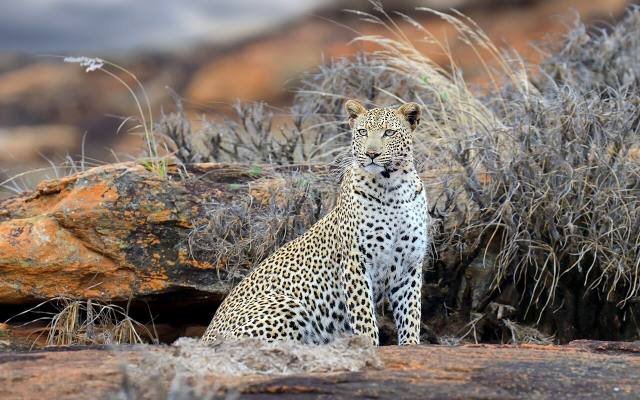
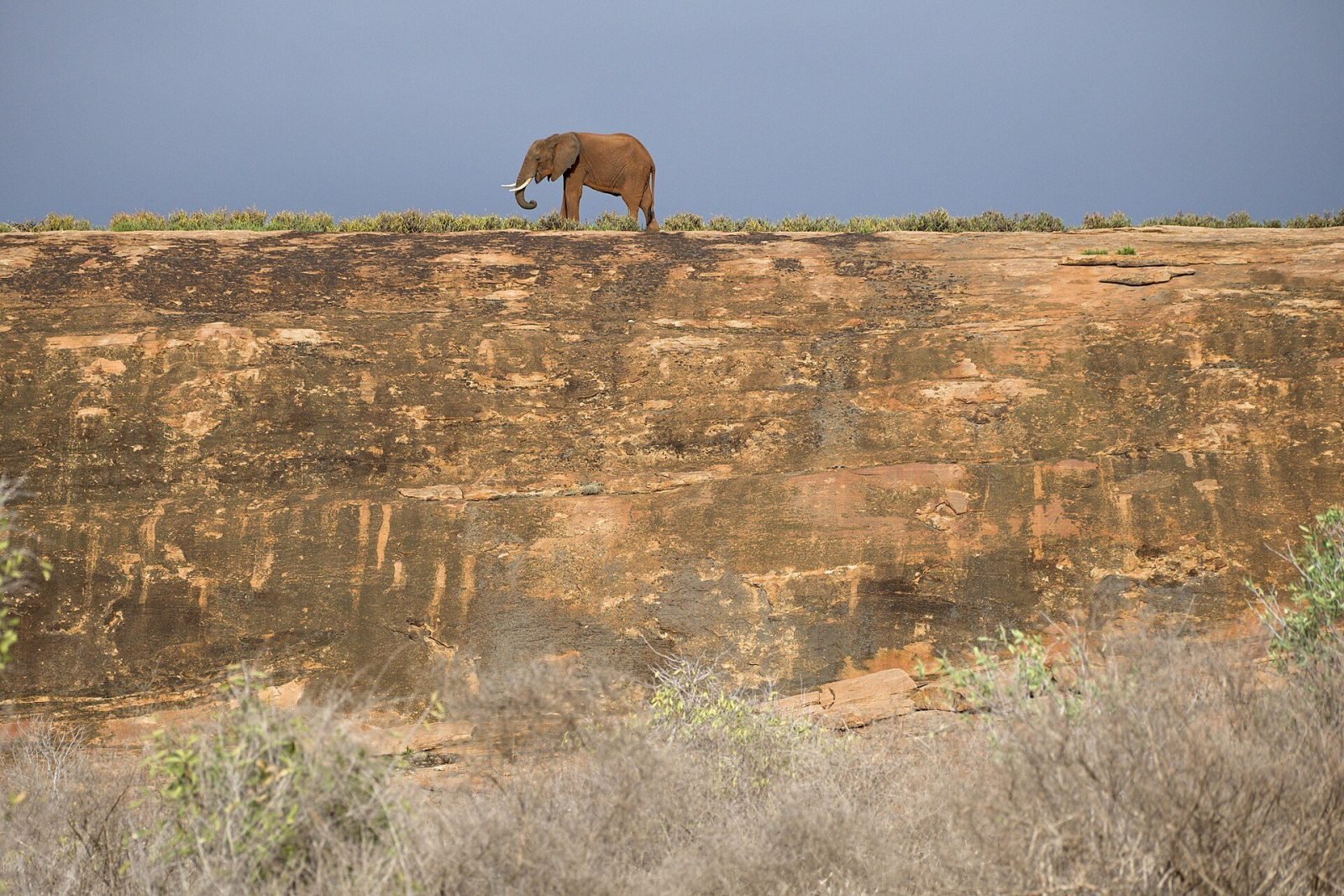
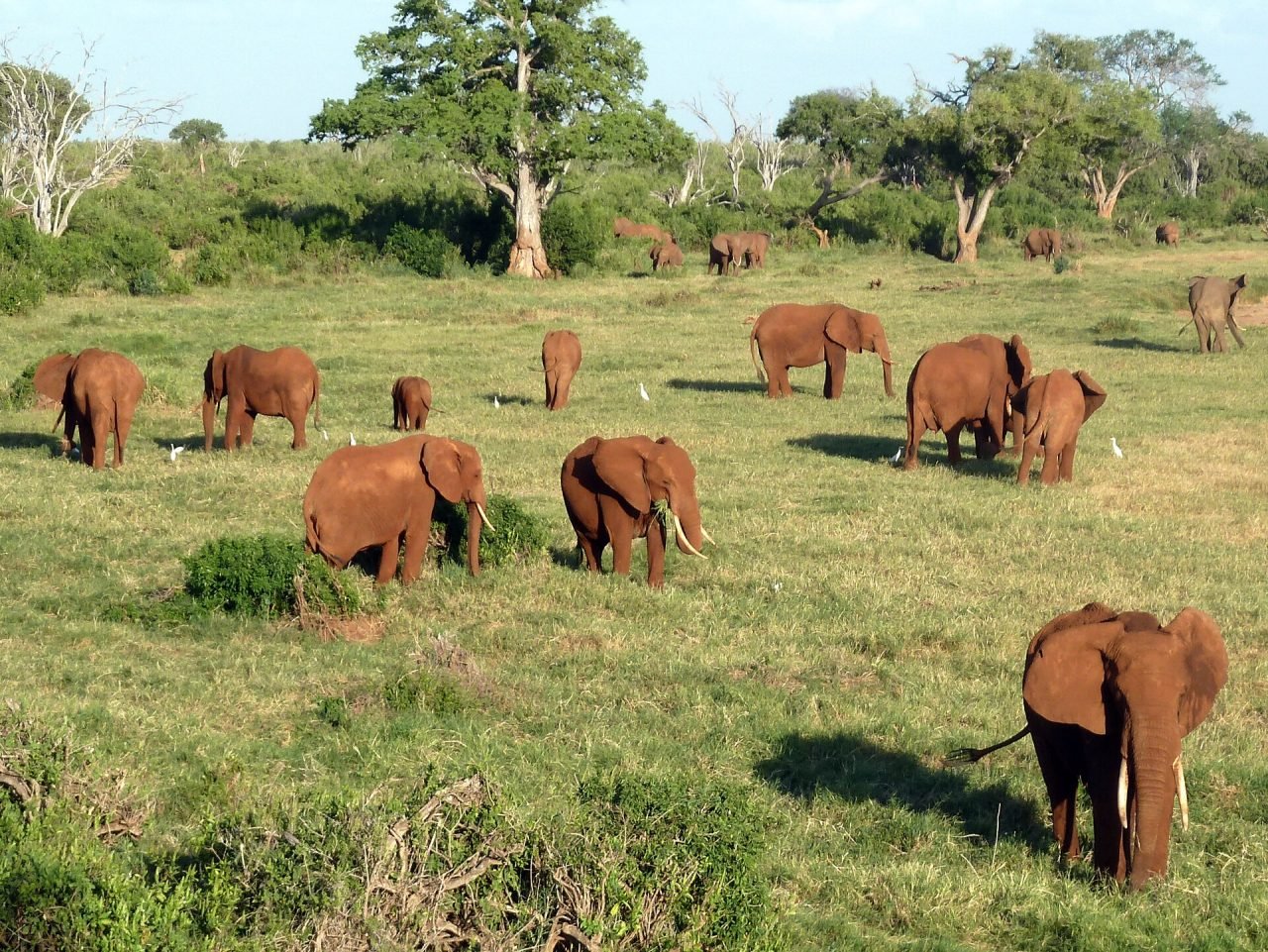
Tsavo East is a vast area of dry bush, open plains and seasonal rivers. Its red soil gives the elephants a rusty colour after they dust-bathe, and the “red elephants of Tsavo” are the park’s symbol. You may also see lions, buffalo, giraffes, zebras, many antelope and, with luck, cheetahs. The Galana River, lined with palms, draws animals to drink, and at Lugard Falls it rushes through a rocky channel. Mudanda Rock, a long ridge above a waterhole, is a favourite viewpoint.
From Malindi, the road runs inland to Sala Gate on the eastern edge of the park, a drive of about two hours. From Watamu, add a little more. Inside the park, distances are long and tracks are rough, so a vehicle with a pop-up roof and an experienced driver-guide makes all the difference.
Park fees are paid per person per day and are higher for non-residents. Most tours include them, but check. Fees are paid electronically, not in cash, so if you travel independently, arrange payment in advance with your driver. Confirm current rates with the Kenya Wildlife Service.
The dry seasons, from about June to October and from January to March, are the best for game viewing, as animals gather near water and the grass is short. The rains can make some tracks difficult. See our guide to the best time to visit the coast.
Back on the coast, wildlife watching continues: read about Arabuko-Sokoke Forest and the marine wildlife of Watamu.
Book ahead
Safari
Season: Year-round; best in the dry seasons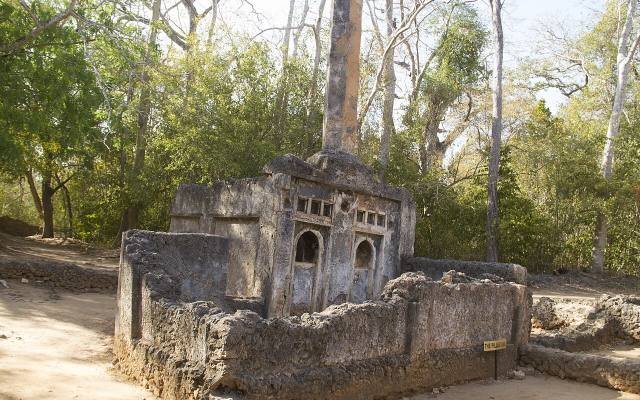 Day tour
Season: Year-round
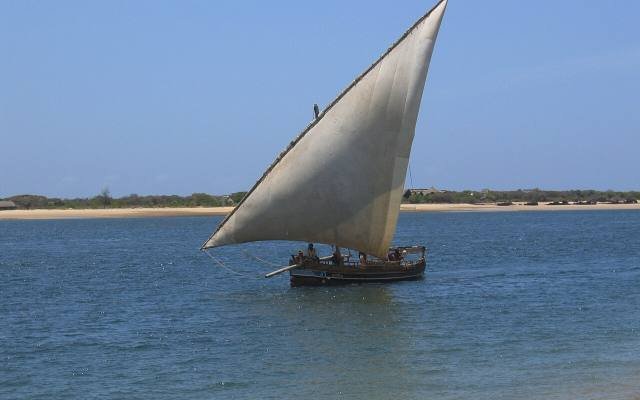 Boat trip
Season: Year-round, depending on the tide
Keep reading
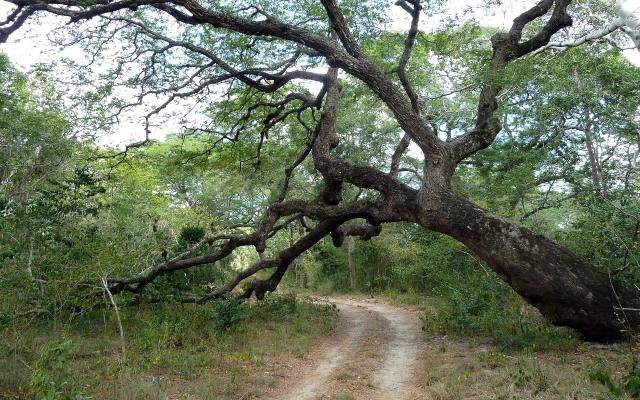 Wildlife
A guide to Arabuko-Sokoke Forest near Watamu: what wildlife you may see, why a guide matters, the walking trails and viewpoint, and how to plan your visit.
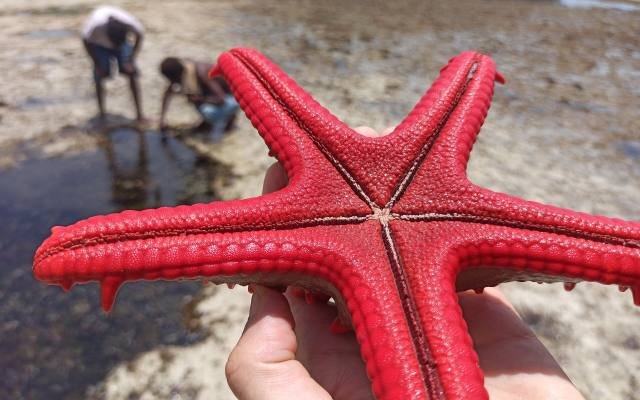 Itineraries
A perfect day in Watamu: snorkelling in the marine park at low tide, lunch by the beach, the Gede Ruins in the afternoon and a dhow cruise on Mida Creek at sunset.
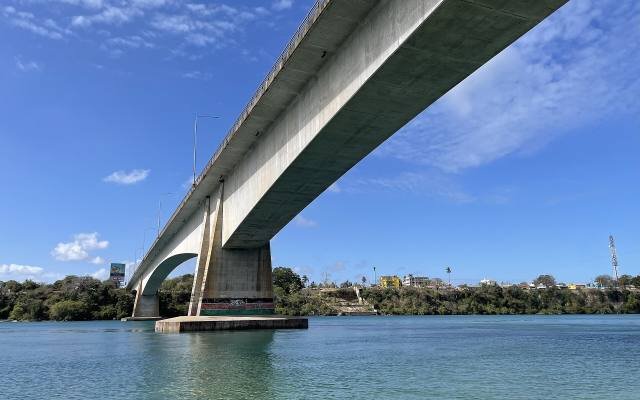 Itineraries
A three-day plan for Kenya’s north coast: Watamu’s marine park and Mida Creek, the Gede Ruins and the Arabuko-Sokoke Forest, then Malindi and a sunset at Marafa.