 Day tour
Season: Year-round
Gede Ruins and Arabuko-Sokoke Forest tour
- Walk the streets, palace and mosques of a lost Swahili town
- A drive or walk in the forest with a guide
History
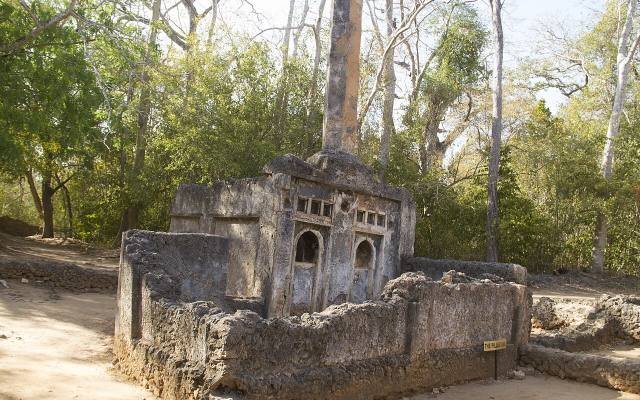
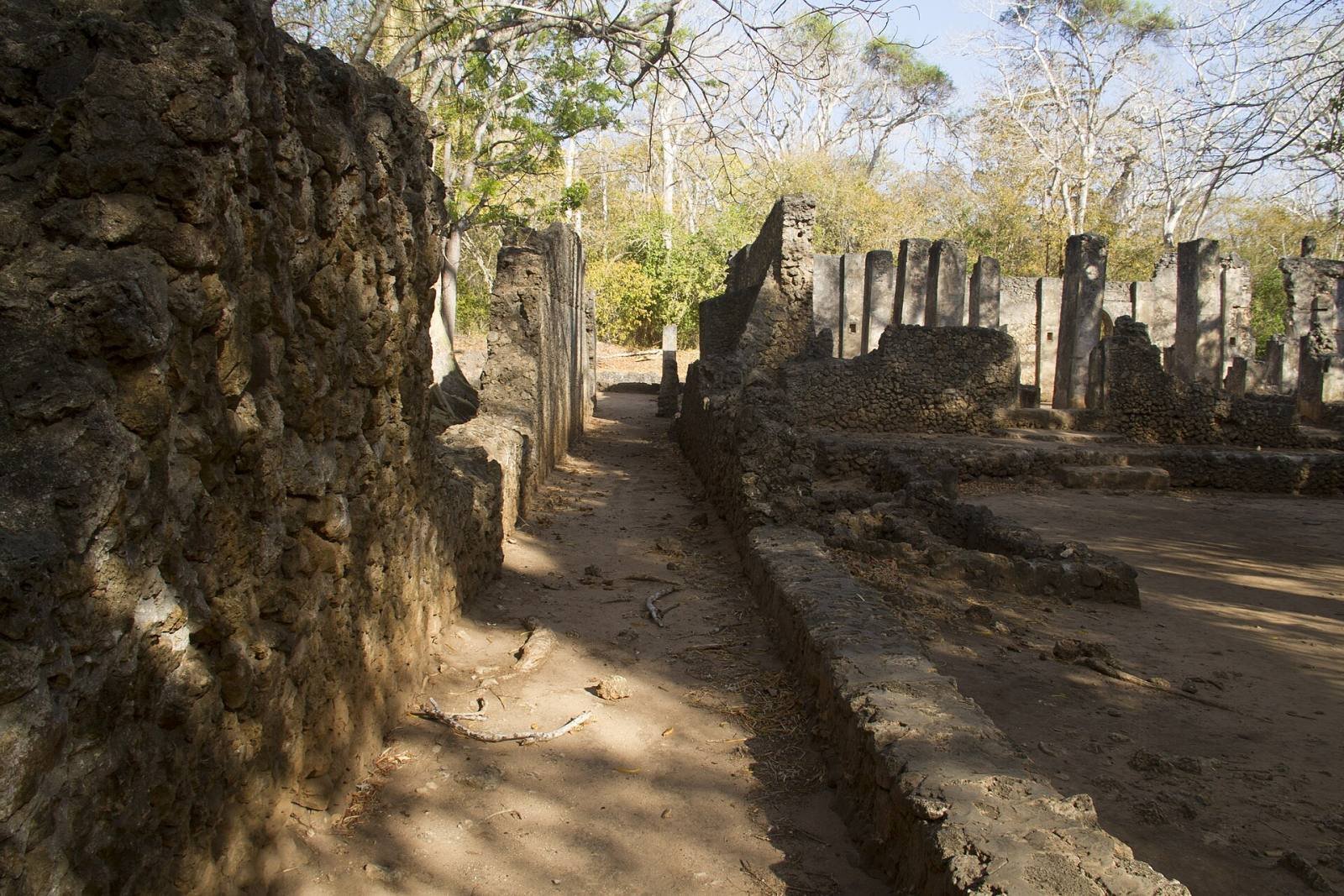
Hidden in the forest a few minutes from Watamu’s beaches, the Gede Ruins are one of the most atmospheric places on the Kenyan coast. Tall trees grow among the coral-stone walls, monkeys run along the ruins, and it is easy to imagine the town as it once was.
Gede was a Swahili town, part of a chain of trading ports along the East African coast. It grew from around the 12th century and was at its height in the 15th, when its people lived in stone houses with courtyards and traded with merchants from Arabia, Persia, India and China. The town was abandoned in the early 17th century, perhaps because of raids from the north or because its wells ran dry. It was later swallowed by the forest, and excavated in the 20th century.
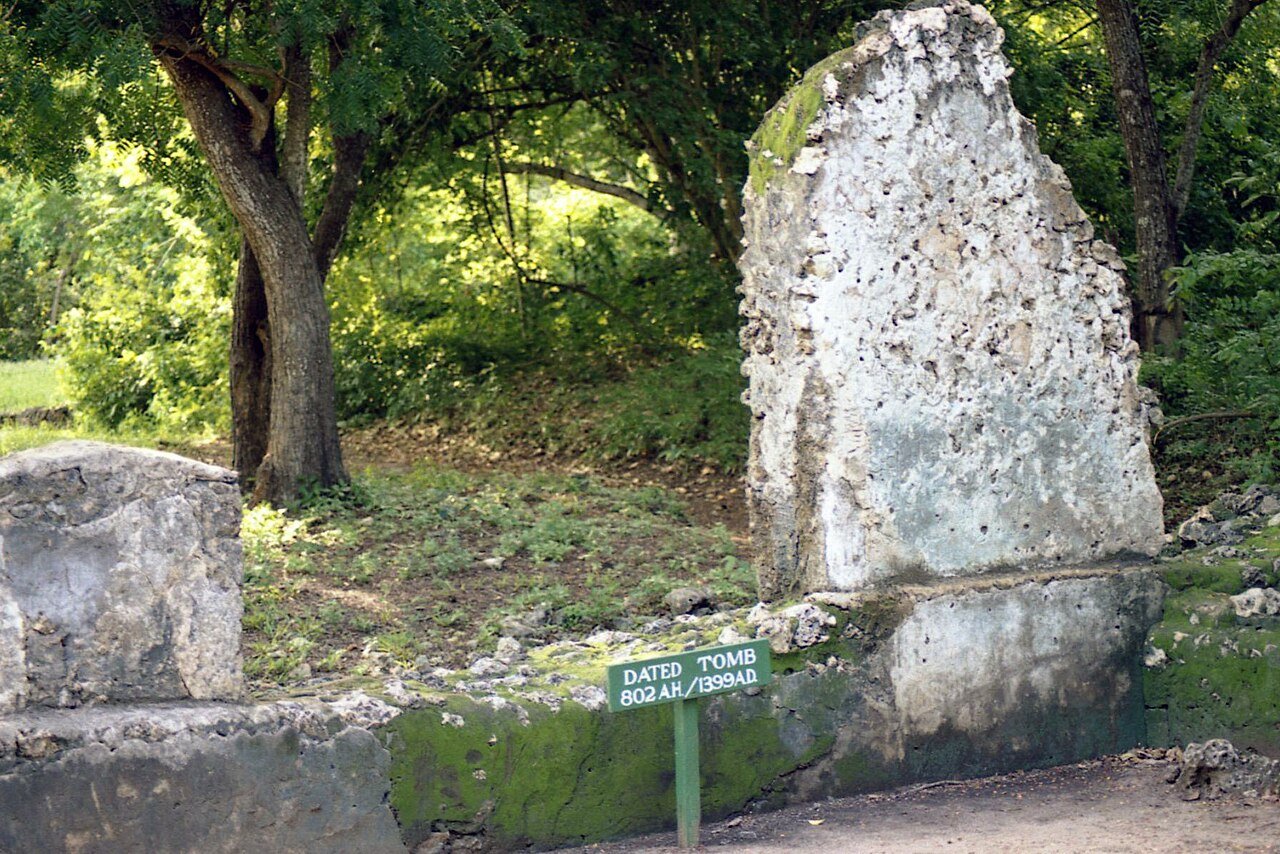
The site is run by the National Museums of Kenya and is open every day. There is an entrance fee, a small museum and guides at the gate, who bring the town’s story to life. Allow 1½ to 2 hours. See our guide to the Gede Ruins.
Book ahead
Day tour
Season: Year-round Guided walk
Season: Year-round; best early in the morning
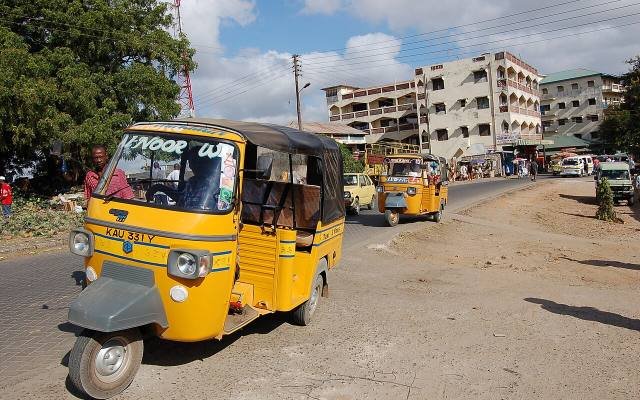 City tour
Season: Year-round
Keep reading
 Itineraries
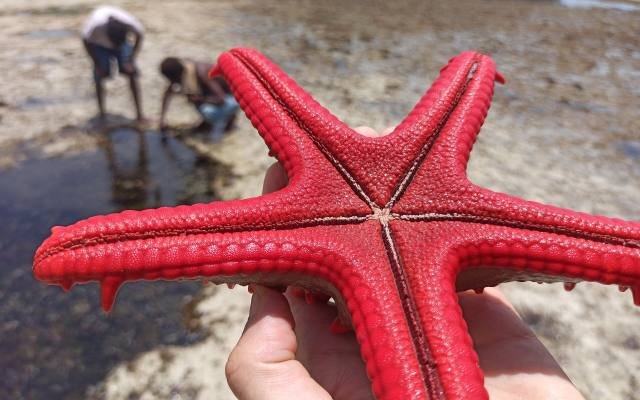
A perfect day in Watamu: snorkelling in the marine park at low tide, lunch by the beach, the Gede Ruins in the afternoon and a dhow cruise on Mida Creek at sunset.
 Itineraries
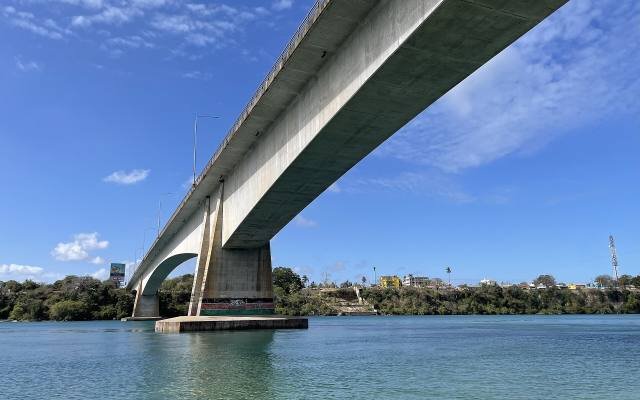
A three-day plan for Kenya’s north coast: Watamu’s marine park and Mida Creek, the Gede Ruins and the Arabuko-Sokoke Forest, then Malindi and a sunset at Marafa.
 Outdoors
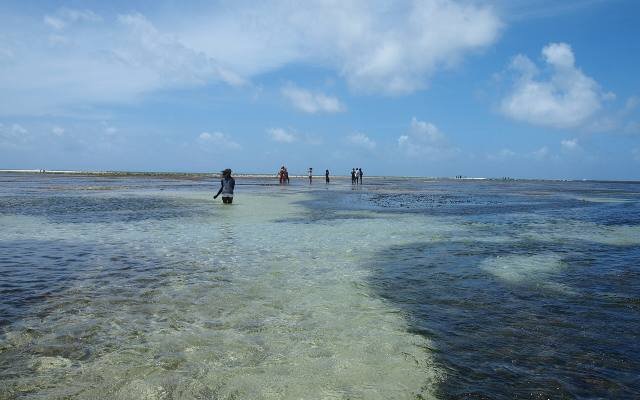
How to snorkel the coral gardens of Watamu and Malindi marine national parks: when to go, how the tides work, what you will see, park fees and how to protect the reef.