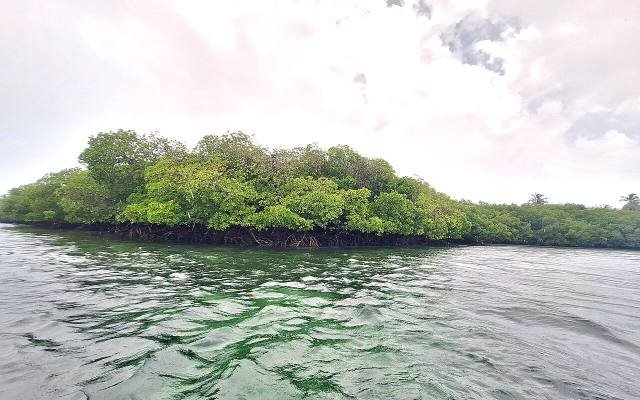
 Boat trip
Season: Year-round; calmest from December to March
Watamu Marine Park snorkelling trip
- Snorkel the coral gardens among parrotfish and angelfish
- Glass-bottom boat views for non-swimmers
Outdoors
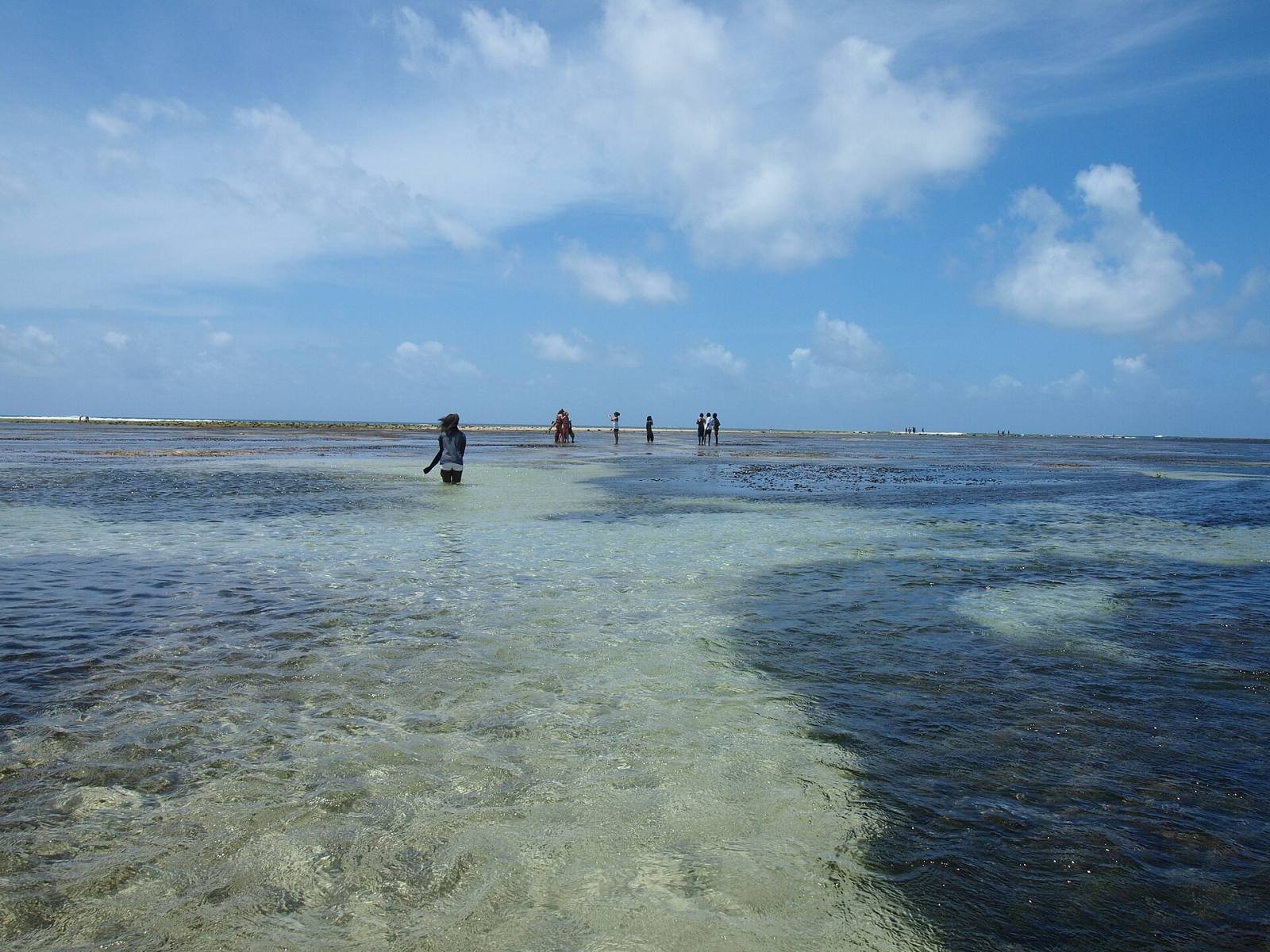
Watamu and Malindi became marine national parks in 1968, among the first in Africa. Their reefs protect shallow lagoons full of coral and fish, and snorkelling here is easy, even for beginners, as long as you time it with the tide.
The tide on this coast rises and falls a long way twice a day. Snorkelling is best around low tide, when the water inside the reef is calm and clear and the coral is close to the surface. Boat operators plan trips around the tide table, so check times the day before.
The best months are from about December to March, when the north-east monsoon brings calm seas and good visibility. From June to September the south-east monsoon makes the sea rougher.
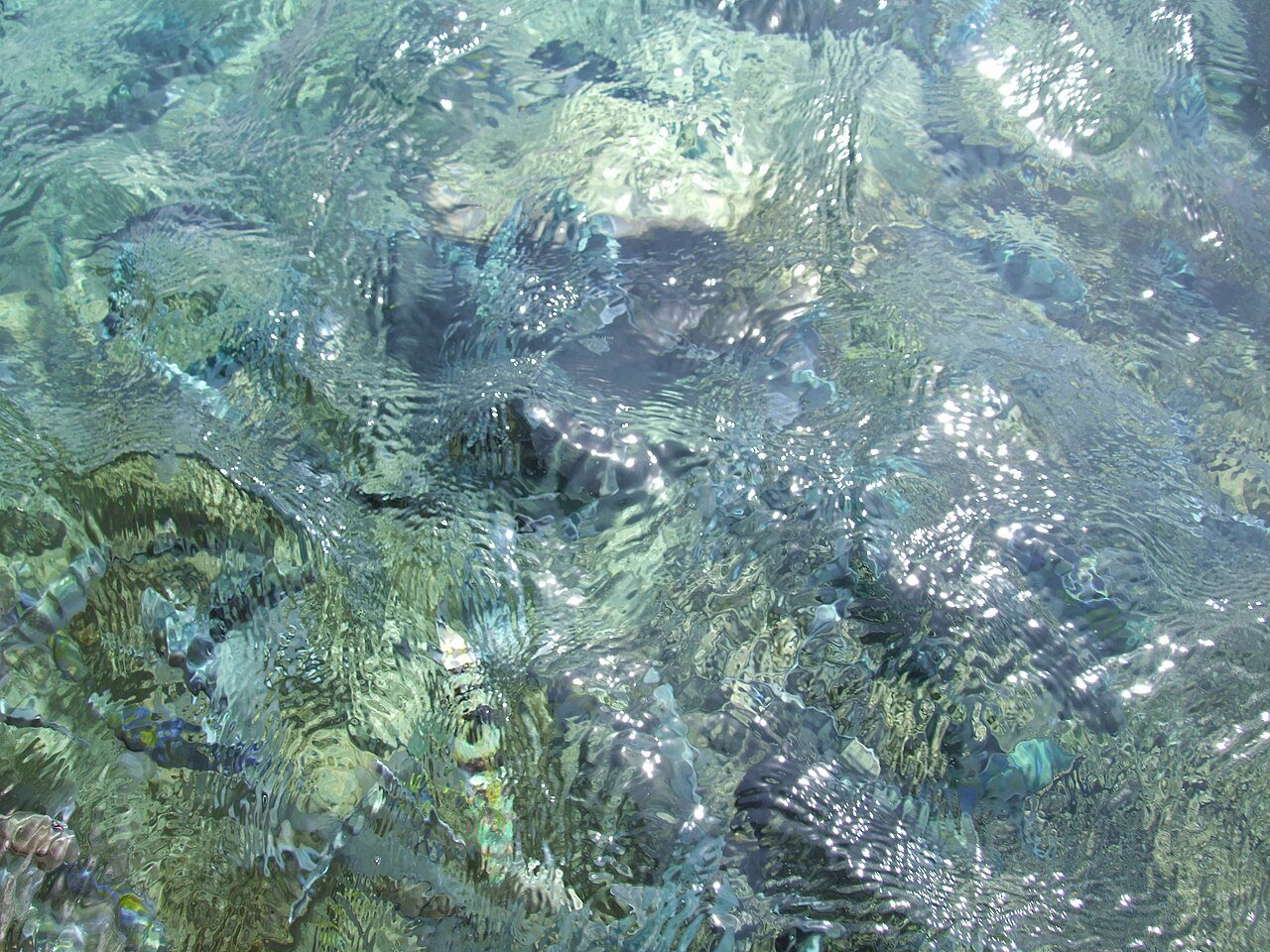
Most people join a boat trip from the beach at Watamu or Malindi, with snorkelling gear and a guide. Glass-bottom boats are good for children and non-swimmers. Kenya Wildlife Service charges a marine park fee, paid electronically, so check whether it is included.
Book ahead
Boat trip
Season: Year-round; calmest from December to March Boat trip
Season: Year-round; calmest from December to March
 Boat trip
Season: Year-round; calmest from December to March
Keep reading
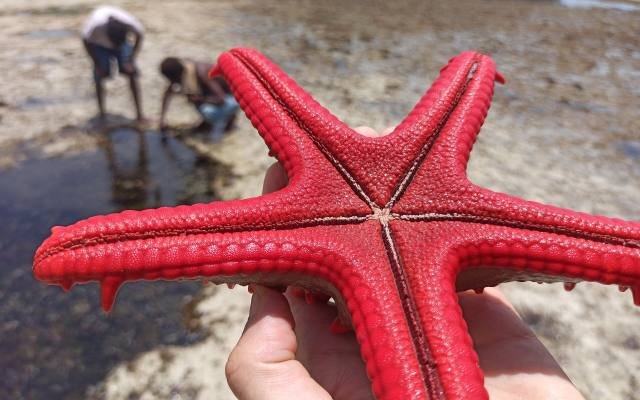 Itineraries
A perfect day in Watamu: snorkelling in the marine park at low tide, lunch by the beach, the Gede Ruins in the afternoon and a dhow cruise on Mida Creek at sunset.
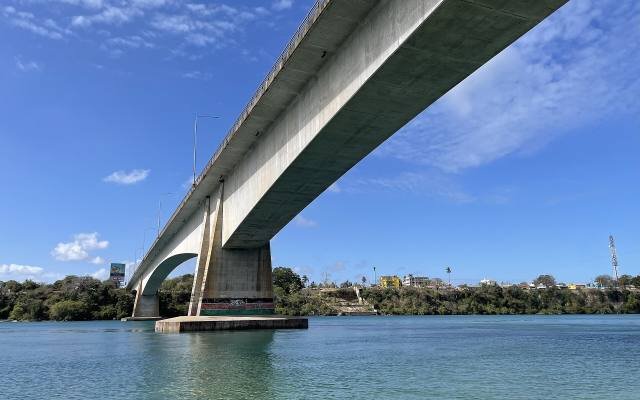 Itineraries
A three-day plan for Kenya’s north coast: Watamu’s marine park and Mida Creek, the Gede Ruins and the Arabuko-Sokoke Forest, then Malindi and a sunset at Marafa.
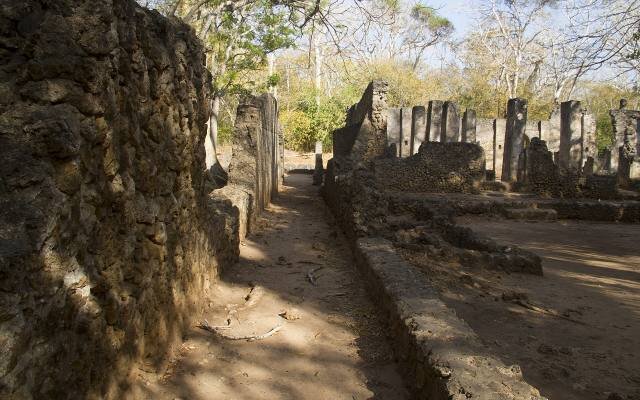 History
A guide to the Gede Ruins near Watamu: the history of the Swahili town, what to see from the Great Mosque to the palace and the pillar tombs, and tips for your visit.